
By Shaffaaf Naseer, Environmentalist
As a Green Activist, environmental advocate and lifelong resident of Fuvahmulah, I believe protecting the island cannot stop at promoting its tiger sharks, manta rays and other spectacular marine life. The same responsibility extends to our beaches, wetlands, mangroves, harbour and the entire island environment.
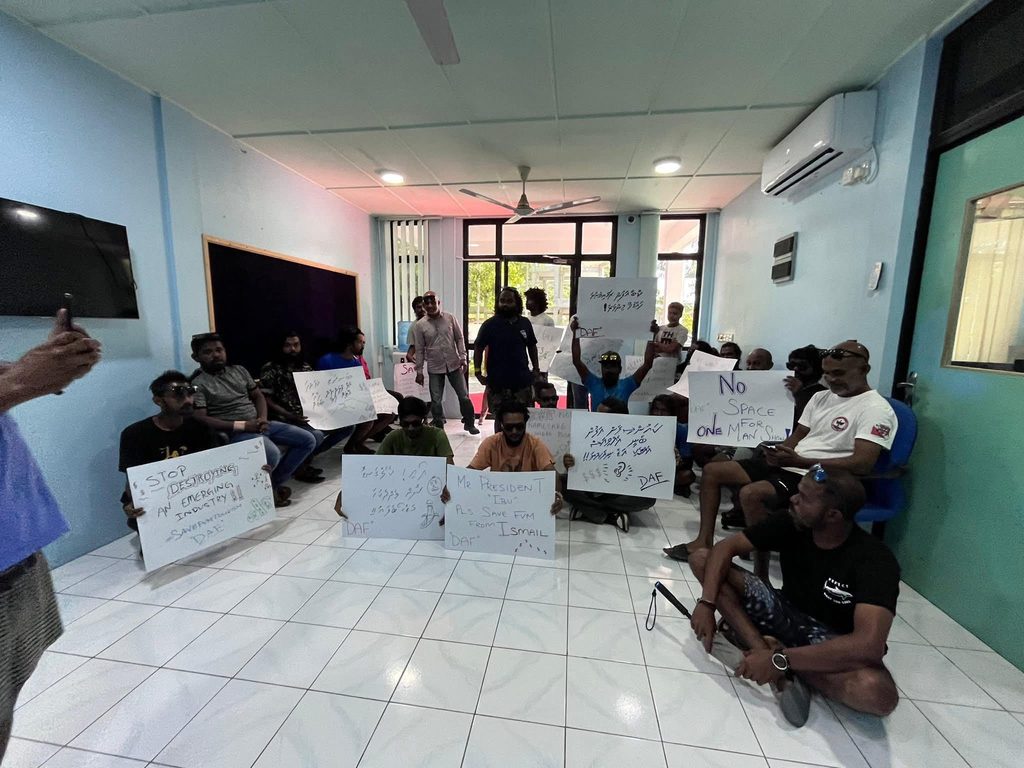
I am Shaffaaf Naseer, born and raised in Fuvahmulah. The Fuvahmulah community knows me well through my long-standing environmental advocacy and my efforts to protect the island’s natural heritage. I have worked for years to defend Fuvahmulah’s beaches, nature, ecology, biodiversity and marine environment, including my work through the Save Fuvahmulah Movement.
Today, I am again calling on Mayor Ismail and the Fuvahmulah City Council to give substantially greater attention to environmental protection and tourism infrastructure. Clean Our Beaches Before Microplastics Become a Larger Problem Our beaches need more consistent and effective cleaning and environmental management.
Plastic pollution does not simply disappear when larger pieces are removed. Plastics can break down into increasingly smaller particles, eventually becoming microplastics that can enter coastal sediments and marine ecosystems.
Fuvahmulah is promoting itself internationally because of its extraordinary natural environment. Clean beaches and a healthy marine ecosystem are therefore not cosmetic issues—they are fundamental to the island’s tourism economy and the wellbeing of its residents.
I urge the Mayor and councillors to strengthen beach-cleaning programmes, plastic-waste management, monitoring and prevention rather than relying primarily on periodic clean-ups after pollution has already accumulated.
Give Visitors a Proper Harbour Welcome
Fuvahmulah also needs a proper harbour passenger terminal.
Foreign visitors arriving for diving and tourism, as well as Maldivian residents travelling from other islands, deserve basic facilities when they arrive.
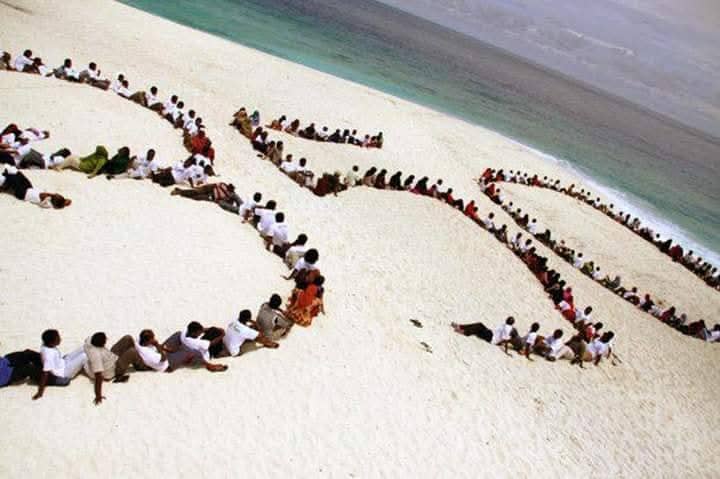
Save Fuvahmulah Movement
At a minimum, the harbour should provide:- Clean toilets- Showers- A proper passenger waiting area- Drinking-water facilities- Appropriate waste-management facilities- Clear information for arriving visitors- Basic facilities for tourists and local passengersIf Fuvahmulah wants to position itself as an internationally recognised tourism destination, the first impression should not be an absence of basic visitor facilities.
The harbour is the gateway to Fuvahmulah. It should be treated accordingly.
Mayor Ismail and Raees Nasheed, Please Understand What a Mangrove Is
I also call on Mayor Ismail and the City Council to ensure that environmental decisions are based on sound ecological understanding.
A mangrove is not simply any tree or plant growing beside water.
Mangroves are specialised coastal ecosystems adapted to saline, waterlogged and oxygen-poor environments.
Their distinctive biological characteristics include:
Roots above or around the surface: Many mangrove species have specialised root systems that emerge from or spread above the sediment, allowing them to obtain oxygen in waterlogged, oxygen-poor soils.
Salt tolerance: Mangrove species have specialised mechanisms for dealing with salt. Depending on the species, they can exclude, store or excrete excess salt, enabling them to survive in environments where many other plants cannot.
Specialised reproduction and live birth-like development: Many mangroves produce propagules in which the seed begins developing while still attached to the parent plant. This is known as vivipary and allows the developing propagule to establish more effectively in challenging coastal environments.
Understanding these characteristics matters because mangroves are not disposable vegetation. They provide nursery habitat, shoreline protection, carbon storage and important ecological functions.Environmental management must begin with understanding what we are trying to protect.
Protect Thoondu Beach, Black Stone Beach and Restore Fuvahmulah’s Natural Sand Movement
I have personally worked to protect Thoondu Beach, one of Fuvahmulah’s most distinctive natural treasures. Thoondu is not simply another beach. Black Stone Beach (Kalho Akiri Gando). Its black-pebble shoreline is part of the identity of Fuvahmulah.
One of my concerns is the way sediment entering the harbour is managed. Sand and sediment arriving within the harbour system should not automatically become a source of construction material while natural coastal areas are deprived of the sediment they require.
I call on Mayor Ismail and the City Council to examine whether an appropriate sand-management and beach-replenishment system can be established so that suitable sand and sediment can be returned to areas such as Thoondu where coastal processes have been disrupted.
The objective should be to work with Fuvahmulah’s natural coastal processes—not against them.
If we continue removing sediment from one part of the island without considering where the island’s beaches naturally require it, we risk gradually changing the character of the coastline.
We are at risk of losing part of the identity of Fuvahmulah.We Must Protect What Makes Fuvahmulah DifferentFuvahmulah does not need to imitate every other destination.
Its greatest tourism asset is precisely what makes it different: its extraordinary geology, beaches, wetlands, mangroves, biodiversity and deep-ocean marine environment.
The tiger sharks, oceanic manta rays, thresher sharks, hammerheads, whale sharks and other pelagics are not attractions manufactured for tourism. They are part of Fuvahmulah. The responsibility of the City Council, tourism industry, local community, researchers and visitors should therefore be to protect the ecosystem that makes these encounters possible.
As someone born and raised here, I will continue to speak for that environment.
Fuvahmulah’s natural heritage belongs to its people and future generations. We must not allow short-term decisions to destroy what took nature thousands—or millions—of years to create.
About the Author Shaffaaf
Shaffaaf Naseer is a researcher, environmentalist, green activist, advocate, and travel and tourism consultant from Fuvahmulah, Maldives.
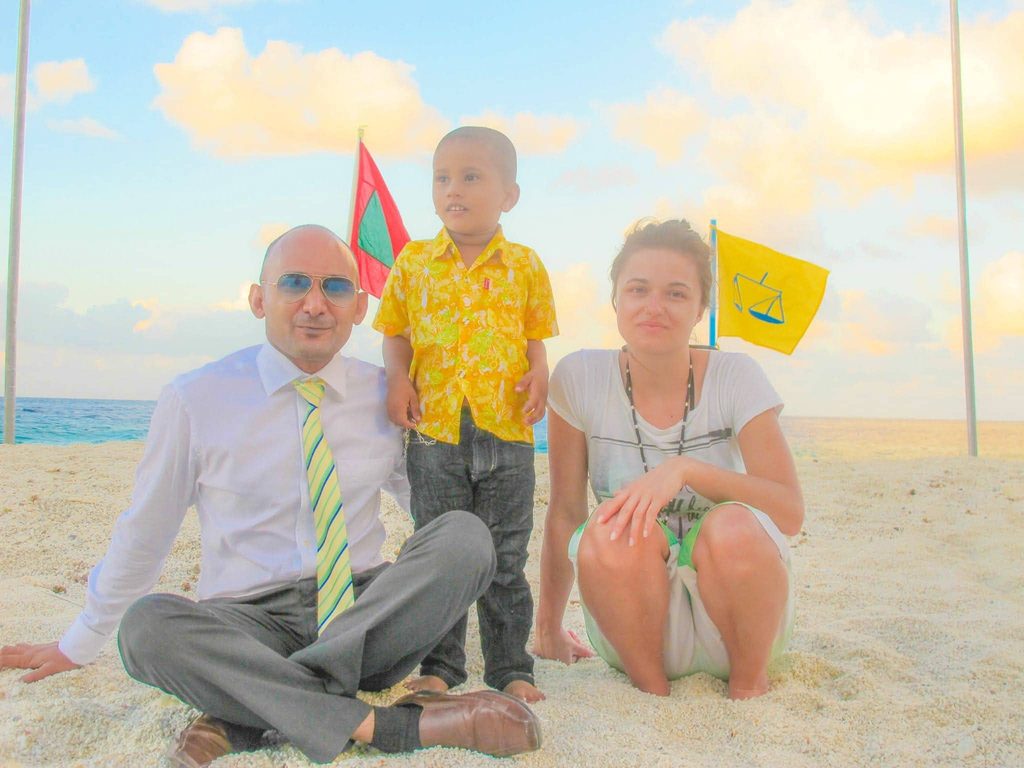
Born and raised on the island, he has spent years championing the protection of Fuvahmulah’s beaches, natural environment, ecology, biodiversity, marine ecosystems, and wider island environment.As a travel and tourism consultant, Shaffaaf has worked with leading international and Maldivian hospitality brands, including Villa Hotels, Bandos Maldives, One&Only Resorts, W Maldives, Conrad Maldives, Soneva Resorts, Hilton Hotels, and Taj Hotels, among others.
His professional experience is complemented by extensive first-hand knowledge of the Maldivian tourism landscape. He has travelled extensively across the country’s atolls, stayed at more than 50 resorts, and participated in safari cruises during the early development of Maldivian liveaboard tourism.
With a career combining tourism, environmental advocacy, research, and deep first-hand knowledge of the Maldives, Shaffaaf brings a distinctive island-based perspective to travel, tourism, nature, conservation, and sustainable development
Leave a Reply