
With nearly 30 years of diving experience, Mohamed Shammoon Ameen shares the story behind Scuba Butler Fuvahmulah, the island’s extraordinary marine life and his vision for the next generation of Maldivian dive professionals.
The Island Insights | Interview at a Glance
Interviewee: Mohamed Shammoon Ameen (Shumi)
Position: Founder & CEO, Scuba Butler Fuvahmulah
Brand: Scuba Buttler Fuvahmulah
Location: Fuvahmulah, Maldives
Experience: Nearly 30 years in diving
Specialisation: Tiger shark encounters, pelagic diving and personalised dive experiences
Featured publication: The Island Insights Diving
The Island Insights Exclusive Interview
Fuvahmulah has earned international recognition for its tiger shark encounters and distinctive deep-ocean diving. Unlike many destinations in the Maldives, this isolated island offers access to pelagic marine life in waters close to shore, attracting divers, underwater photographers and marine enthusiasts from around the world.
At the heart of this diving destination is a community of professionals whose experience and local knowledge shape the visitor experience. One of them is Mohamed Shammoon Ameen, widely known as Shumi, Founder and CEO of Scuba Butler Fuvahmulah.
With nearly three decades in the diving and hospitality industries, Shumi has worked across resorts, liveaboards and superyachts. His career has shaped an approach that combines professional dive operations, personalised guest service and a detailed understanding of Fuvahmulah’s underwater environment.
In this exclusive interview with The Island Insights, Shumi reflects on his journey, explains what distinguishes Fuvahmulah from other Maldivian diving destinations, and discusses the experiences that inspired him to establish Scuba Butler.
He also shares his views on industry development, professional training and the opportunities ahead for Fuvahmulah.
The Person Behind Scuba Butler
1. Could you introduce yourself to readers of The Island Insights?
My name is Mohamed Shammoon Ameen, although most people know me as Shumi. I am from Fuvahmulah, and diving has been a major part of my life for nearly 30 years.
I have worked in different areas of the diving and hospitality industries, both in the Maldives and internationally. Those experiences have given me a broad understanding of dive operations, guest expectations, safety and professional training.
Today, I am the Founder and CEO of Scuba Butler Fuvahmulah. The business brings together the lessons I have learned throughout my career and reflects my approach to diving and hospitality.
2. How did your journey into diving begin?
Growing up in Fuvahmulah, the ocean was always part of everyday life. But when I began diving, I discovered an entirely different world beneath the surface.
What fascinated me most was the unpredictability. No two dives are exactly the same, and even after nearly 30 years, I still encounter things that surprise me.
That constant sense of discovery is what has kept me connected to diving throughout my career.
3. What do you remember about your early years as a diver?
Diving in the Maldives was very different when I started. Equipment, boats, communication and tourism infrastructure were more basic than they are today.
We depended heavily on our ability to read the ocean, understand currents and tides, interpret weather conditions and recognise the behaviour of marine life.
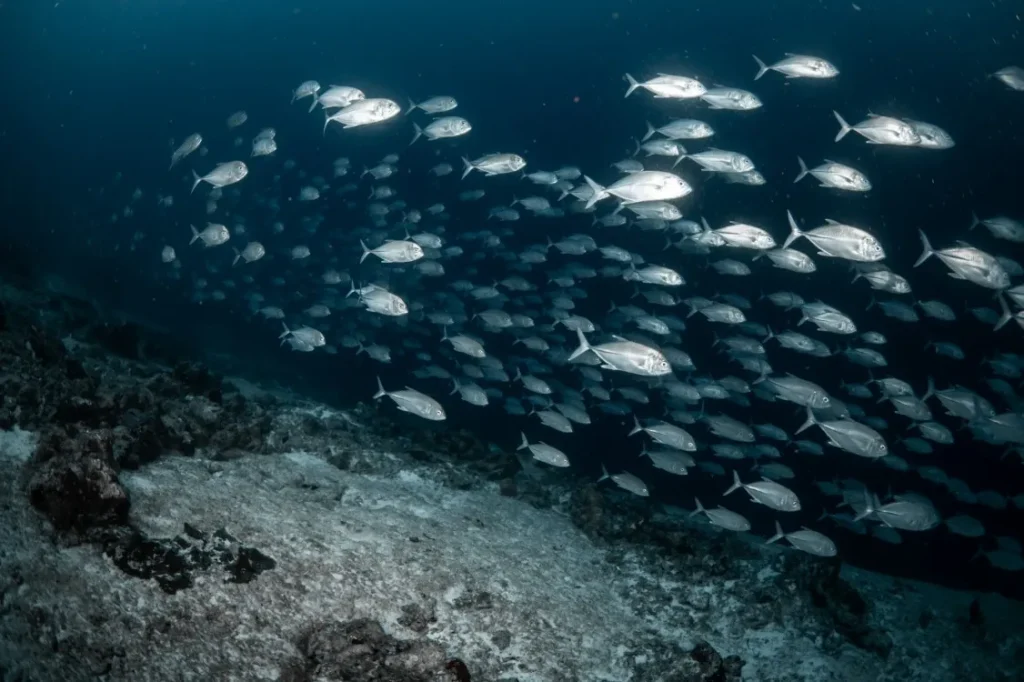
Those early years taught me the value of practical experience. Technical knowledge is essential, but understanding the ocean comes from spending time in it and learning from every dive.
4. When did you realise diving would become a lifelong career?
There was no single moment when I made that decision. Diving gradually became part of who I was.
As my experience grew, so did my responsibilities. I began guiding divers, managing operations, training professionals and helping young Maldivians enter the industry.
Eventually, I realised diving was more than a job. It had become a lifelong commitment.
A Career Across Diving and Luxury Hospitality
5. How have your experiences in diving and hospitality shaped your professional approach?
Diving develops technical skills and respect for the ocean, while hospitality teaches you to understand the guest’s experience from beginning to end.
An extraordinary underwater encounter is important, but professionalism also means clear communication, good organisation, comfort and attention to detail.
At Scuba Butler, I try to bring these two disciplines together so that guests receive both quality diving and attentive service.
6. What did working across resorts, liveaboards and superyachts teach you?
Resorts taught me consistency and hospitality standards. Liveaboards taught me logistics, flexibility and how to manage diving operations over several days in changing conditions.
Working with high-end and private guests also showed me the importance of personal attention, privacy and understanding individual expectations.
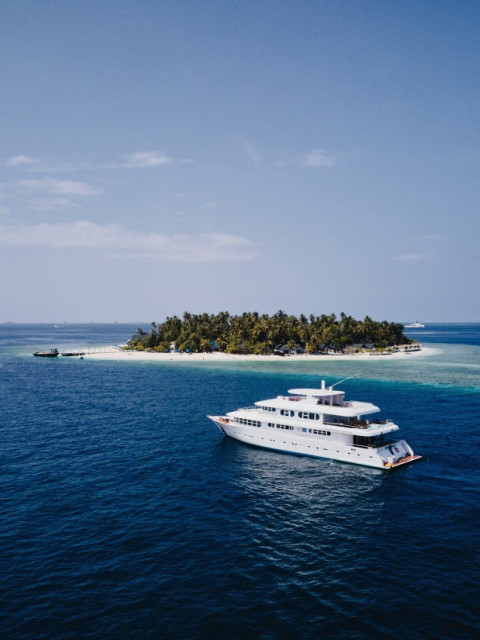
These experiences helped shape Scuba Butler’s approach: professional diving delivered through a personalised guest experience.
7. How has working with international guests influenced your communication and leadership?
Divers come from different cultures and have different personalities, expectations and experience levels.
Some are interested in underwater photography, others want adventure, and some may be experienced divers who are nevertheless nervous about particular encounters.
Good communication means understanding those differences and adapting accordingly. A dive professional needs to recognise not only the conditions underwater but also the needs of the people in their care.
8. Which professional achievement are you proudest of?
I am particularly proud of helping develop Maldivian dive professionals.
Over the years, I have trained and supported many local Divemasters and other professionals. It is rewarding to see people I have worked with develop their skills and build respected careers in the industry.
Businesses may change, but knowledge continues through the people who learn from one another. That is an achievement I value greatly.
The Story Behind Scuba Butler Fuvahmulah
9. What inspired you to establish Scuba Butler in Fuvahmulah?
After many years in the industry, I wanted to create a dive operation that reflected everything I had learned.
Fuvahmulah was gaining international recognition for its tiger shark diving, and I saw an opportunity to offer something built around local knowledge, experienced guides, smaller groups and personalised hospitality.
Scuba Butler grew from that idea. I wanted guests to experience the island’s remarkable underwater environment while receiving individual attention from a team that understands the destination.
10. Why did you choose the name Scuba Butler?
The word “Butler” represents personal service.
We do not want guests to feel like just another booking moving through a schedule. We want to understand why they have travelled to Fuvahmulah and what they hope to experience.
The name reflects our intention to combine professional scuba diving with attentive, personalised service.
11. How has your original vision for Scuba Butler evolved?
Our original vision was to establish a professional, experience-led dive centre. That remains unchanged.
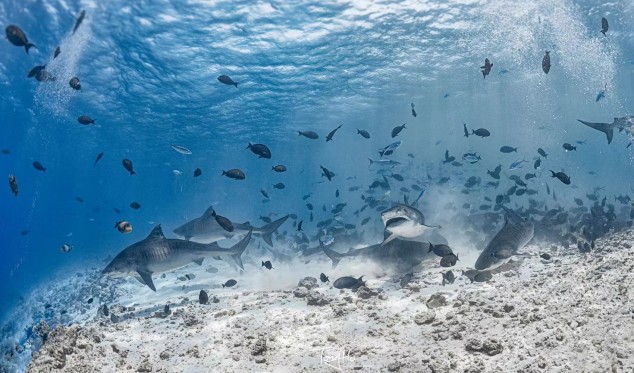
What has evolved is our understanding of the diving opportunities around Fuvahmulah. Beyond the famous shark encounters, the island offers different sites, marine species and underwater experiences that deserve greater attention.
We want to continue introducing guests to that wider diversity.
12. What distinguishes Scuba Butler from other dive centres?
Experience, smaller groups and personalised diving are central to our approach.
Our operation draws on nearly 30 years of diving experience in Maldivian waters. Our normal guide-to-diver ratio is around four divers to one guide, allowing for more individual attention, subject to the conditions and the requirements of each dive.
We want guests to do more than see marine life. We want them to understand the environment they are exploring and feel confident throughout the experience.
13. How do you maintain professional standards as the business grows?
Safety must remain the priority.
Thorough briefings, careful planning, equipment preparation, clear communication and appropriate guide-to-diver ratios are essential. Fuvahmulah can present challenging conditions, particularly during open-water dives, so decisions must be based on the situation rather than a fixed schedule.
I believe growth should be measured by the quality of the operation, not simply the number of divers we accommodate.
14. What are the biggest challenges of operating an independent dive centre on a remote island?
Logistics are among the biggest challenges. Equipment, spare parts, transportation, weather, domestic flights, infrastructure and access to skilled staff can all affect operations.
Running a business in a remote location requires careful preparation and the ability to solve problems quickly.
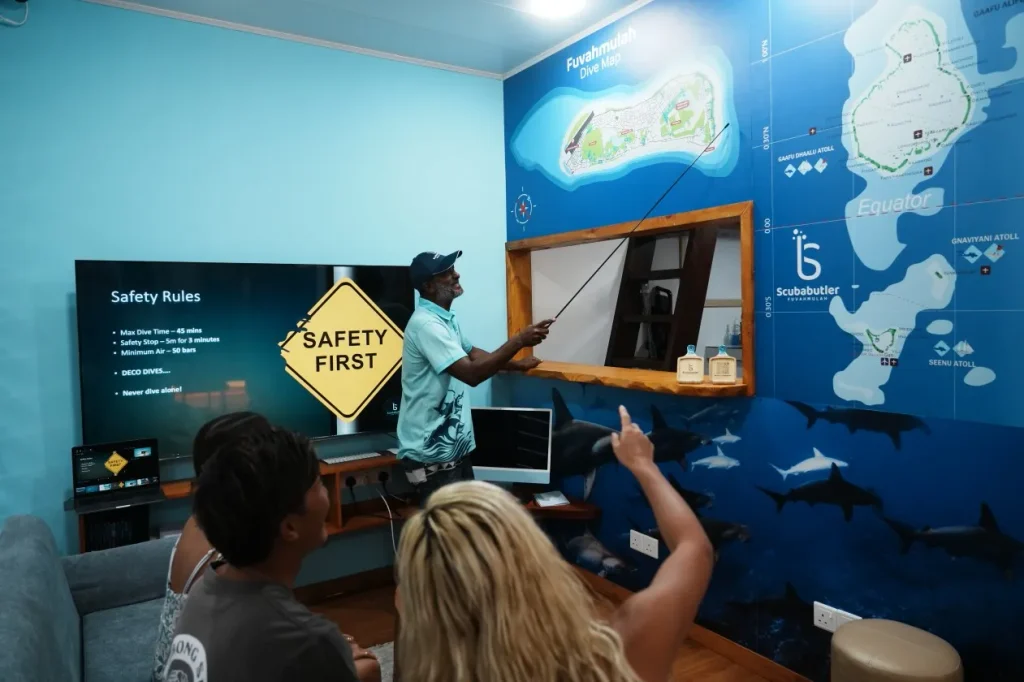
These challenges have taught me to be resourceful and flexible while maintaining the standards we expect from ourselves.
Fuvahmulah: A Distinctive Diving Destination
15. What makes Fuvahmulah’s underwater environment different from other parts of the Maldives?
Fuvahmulah is an isolated oceanic island surrounded by deep water relatively close to shore.
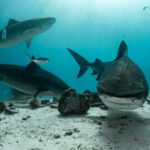
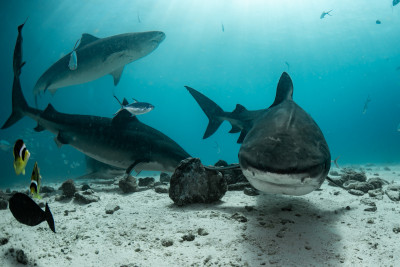
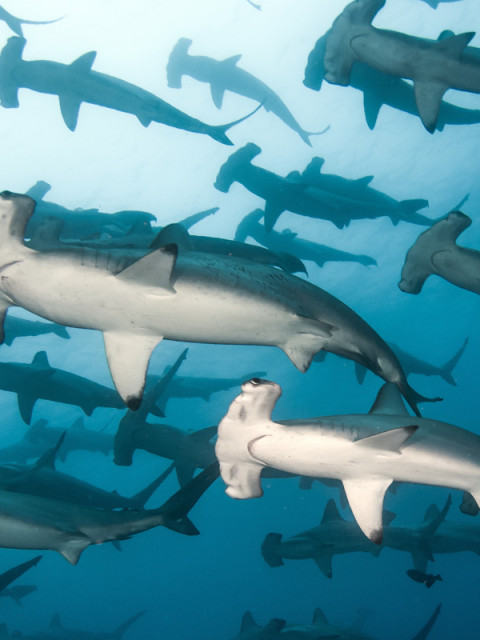
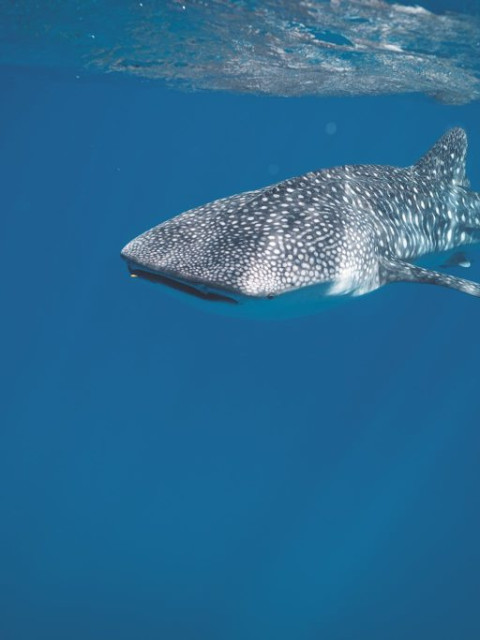
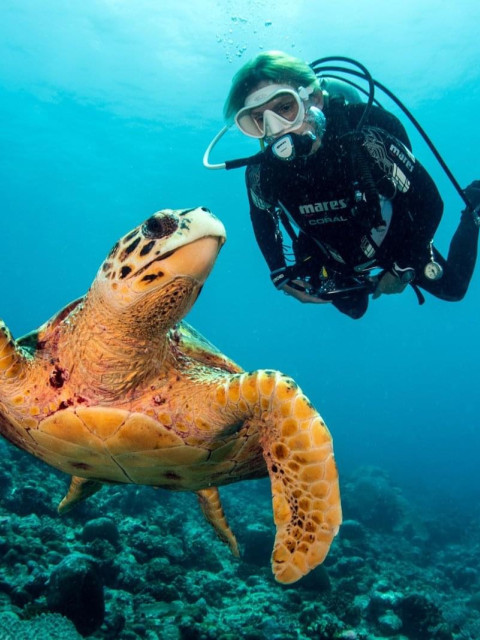
This geography creates opportunities to encounter large pelagic species without travelling far from the island. Depending on the site and conditions, divers may encounter tiger sharks, thresher sharks, scalloped hammerheads, silvertip sharks, oceanic manta rays, whale sharks and other marine life.
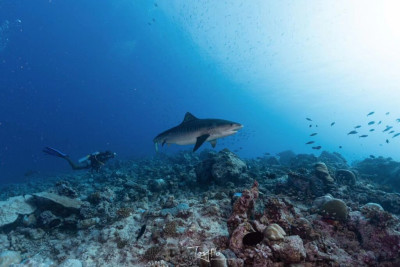
That combination of deep-water access and diverse pelagic encounters makes Fuvahmulah particularly distinctive within the Maldives.
16. Beyond tiger sharks, what marine life should visitors look out for?
Tiger sharks are the species most closely associated with Fuvahmulah, but there is much more to discover.
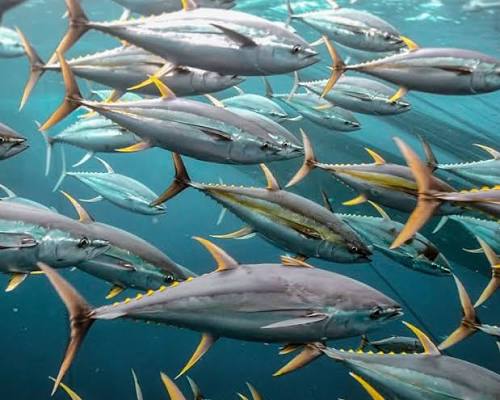
We regularly encounter thresher sharks, including at areas where they may visit cleaning stations. Other sightings can include hammerheads, silvertip sharks, eagle rays, Napoleon wrasse, turtles, large tuna and wahoo.
Oceanic manta rays and whale sharks may also appear seasonally.One of the most exciting aspects of diving here is that a dive rarely follows a predictable script. You might enter the water looking for one species and encounter something entirely different.
17. How does diving in Fuvahmulah compare with diving around Maldivian atolls and resort islands?
Much of the diving elsewhere in the Maldives focuses on coral reefs, channels and underwater pinnacles.
Fuvahmulah offers those reef environments too, but some of its most distinctive experiences take place in open water, away from the reef.
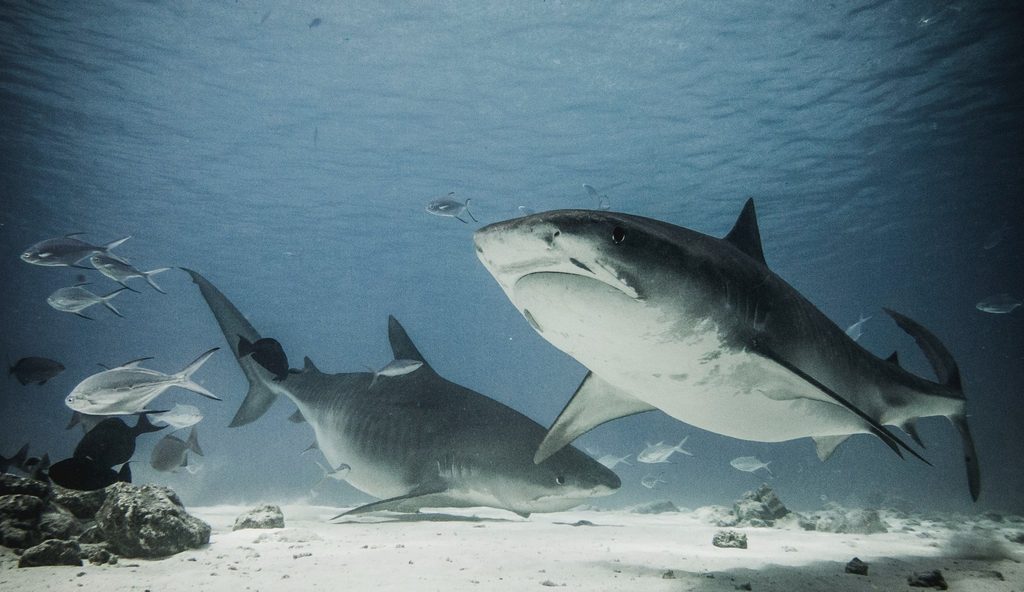
This creates a different kind of dive, where divers may encounter large pelagic animals moving through the blue. Good buoyancy, awareness, communication and an understanding of the conditions are particularly important.
For divers who enjoy encounters with large marine species, this can be a very different experience from traditional reef diving.
18. Which dive sites around Fuvahmulah do you particularly enjoy?
Farikede Blue is one of my favourites because its encounters are unpredictable. We have seen hammerheads, silvertips, tiger sharks, large schools of tuna and other pelagic species there.
I also enjoy our thresher shark areas. Observing a thresher shark at a cleaning station offers a different experience from seeing one move through open water.
What I appreciate most is the variety. Each site has its own character, and understanding those differences helps us make better decisions about where to dive.
19. What is one of your most memorable underwater encounters?
After nearly 30 years of diving, choosing one experience is difficult.
Recently, we encountered a tiger shark with fishing gear caught around her mouth. We wanted to help, but we could not safely approach closely enough to intervene.
Eventually, the shark used the chain on our bait system, rubbing against it until the hook came free.
It was an unforgettable moment. Watching the situation unfold reminded me how unpredictable wildlife encounters can be and how important it is to recognise the limits of what we can safely do.
20. What guest experience best captures the appeal of diving in Fuvahmulah?
Seeing someone encounter a tiger shark for the first time is always special.
Some guests arrive nervous because they have heard frightening stories about sharks. Once underwater, however, they can observe the animal’s movements and behaviour for themselves.
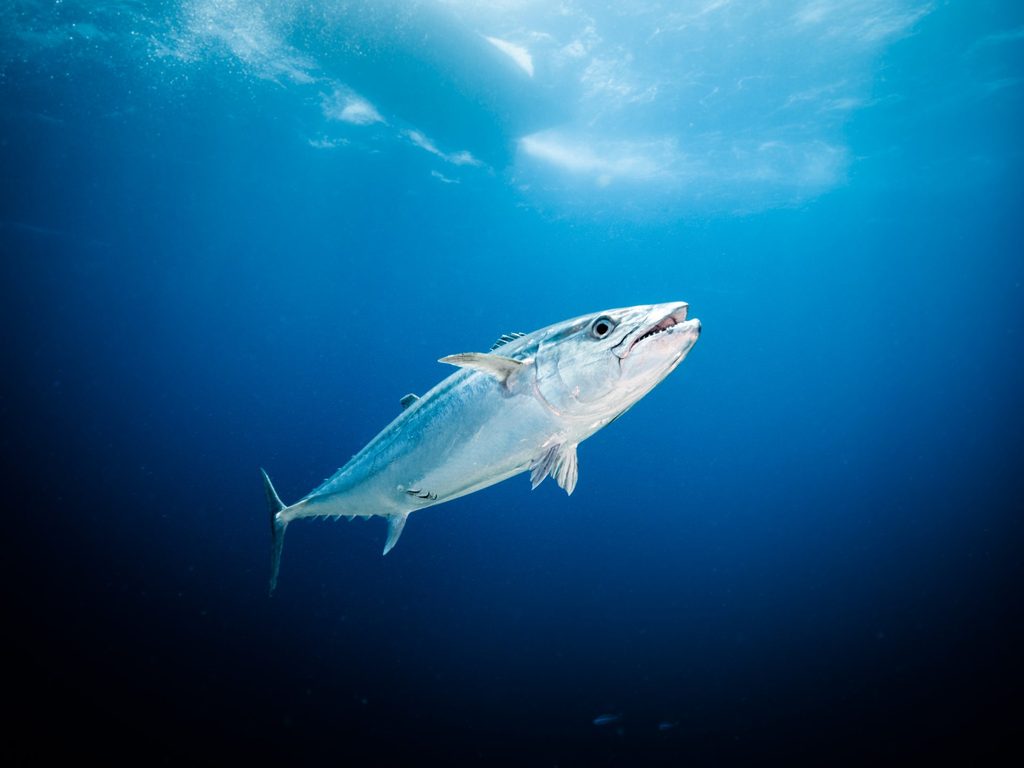
Many return to the surface fascinated by what they have seen. Their initial uncertainty often gives way to curiosity and a desire to learn more.
That change in perspective is one of the most rewarding parts of my work.
Marine Observations and Responsible Wildlife Encounters
21. Have you noticed changes in marine life or ocean conditions around Fuvahmulah?
When you spend decades on the water, you begin to notice patterns and changes in what you observe.
Some species may become more familiar as we improve our understanding of their locations and behaviour. We also encounter the effects of fishing activity, changing environmental conditions and increasing marine traffic.
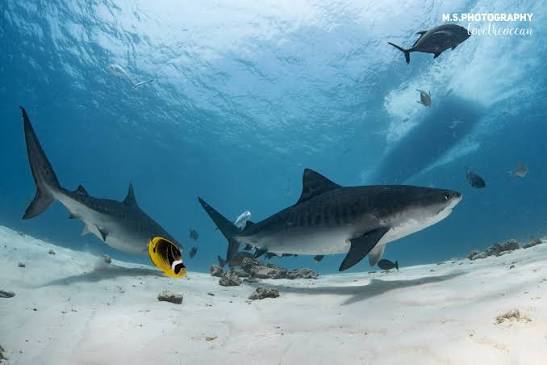
However, changes in sightings do not automatically mean that a population has increased or declined. Consistent records and scientific research are needed to understand what is happening.
Dive operators are well placed to contribute observations because we spend so much time on the water. Documenting sightings, unusual behaviour and injuries systematically could provide valuable information for researchers.
22. What does responsible shark diving mean in practice?
It starts with respecting the animal.Divers should not chase, surround or touch marine life. They should maintain good buoyancy, move calmly and follow their guide’s instructions.
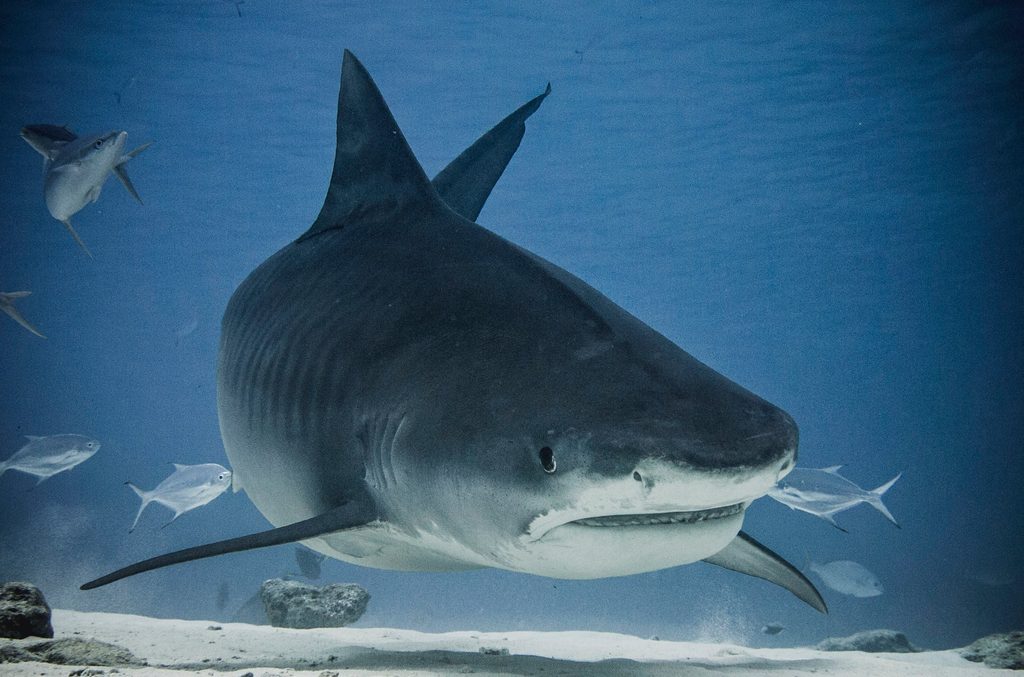
At cleaning stations, patience is particularly important. When divers rush towards a shark for a photograph, the animal may leave. Remaining still and allowing it to approach or move away naturally often creates a better encounter.
Responsible diving means enjoying the experience without forcing it.
23. How can dive operators contribute to marine research in Fuvahmulah?
There is considerable potential for stronger collaboration between dive operators, marine biologists and research organisations.
Operators may observe individual sharks repeatedly, record unusual behaviour, document injuries and notice seasonal patterns in sightings. Researchers can help turn these observations into reliable scientific information.
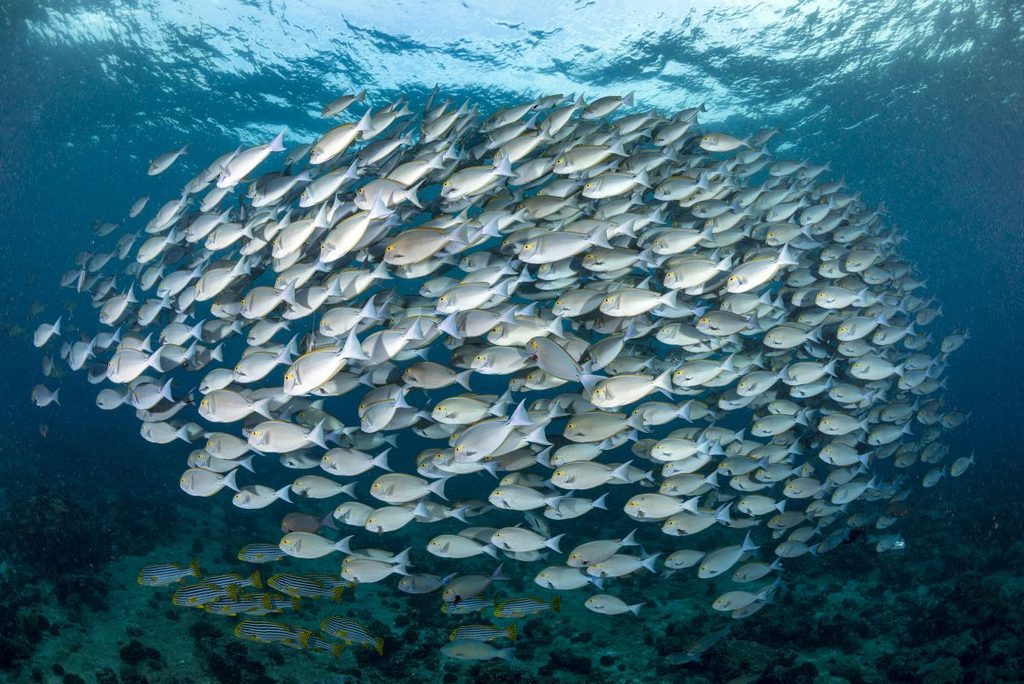
Combining local knowledge with appropriate research methods could improve our understanding of Fuvahmulah’s marine ecosystem.
I would like to see more structured collaboration, particularly in recording shark encounters and supporting long-term studies.
24. What advice would you give underwater photographers and videographers?
The photograph should never be more important than the animal.
Maintain good buoyancy, avoid chasing and give marine life enough space to behave naturally. An aggressive approach may produce a quick image, but it can also end the encounter.
Understanding animal behaviour and remaining patient often leads to better photographs. The most rewarding images are those that capture genuine behaviour without disturbing the subject or compromising diver safety.
The Scuba Butler Guest Experience
25. What can guests expect when booking a trip with Scuba Butler?
We aim to make the entire journey straightforward, not just the time spent underwater.
Before arrival, our team can provide information about domestic flights, transfers, accommodation and the proposed diving programme.
Once guests reach Fuvahmulah, we want them to feel welcomed and informed. Our diving approach centres on clear briefings, experienced guides and selecting dive sites according to the conditions.
The aim is to combine careful organisation with the flexibility needed to respond to the ocean.
26. How do you tailor dives to different experience levels and interests?
Every diver is different, so we consider their experience, certification, confidence and interests before planning their dives.
An underwater photographer looking for hammerheads may have different priorities from someone preparing for a first shark encounter.
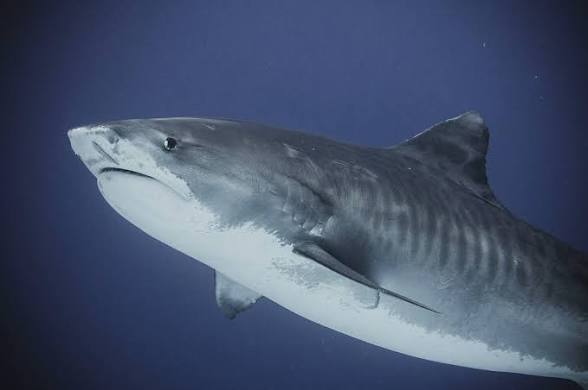
We also observe divers in the water. Certification provides useful information, but buoyancy, air consumption, awareness and comfort are equally important considerations.
By understanding the individual, we can make better decisions about the most appropriate experience.
27. What role does your team play in creating a memorable diving experience?
The team is everything. A dive centre cannot depend on one person alone.
From the staff answering enquiries to the dive guides, captain, boat crew and compressor team, everyone contributes to the operation.
Good coordination and communication are essential. I want guests to feel that they are dealing with a professional team that takes responsibility for the whole experience, not simply providing a place on a boat.
28. What should travellers look for when choosing a dive centre in Fuvahmulah?
Look beyond the price.
Ask about the operator’s experience, guide-to-diver ratios, equipment, boats, safety procedures and approach to challenging conditions. Pay attention to how clearly the team communicates before you arrive.
Some Fuvahmulah dives involve sharks, currents and open water. A professional operator should assess divers appropriately, explain the conditions honestly and ensure that the planned activities suit the participants.
29. What would you tell visitors who feel nervous about diving with tiger sharks?
Feeling nervous is normal, especially before a first tiger shark encounter.
You do not need to prove anything. Tell your guide how you feel, listen carefully to the briefing and take the experience step by step.
Understanding what to expect can help reduce uncertainty, but every diver should be comfortable communicating their concerns and deciding whether a particular dive is right for them.
Our role is to provide clear information, professional guidance and an experience appropriate to the diver and the conditions.
Leadership and the Future of Fuvahmulah, Maldives Diving
30. What leadership lessons have you learned from managing dive operations?
Leadership is not simply about giving instructions.
It involves understanding your team, recognising individual strengths and giving younger professionals opportunities to develop.
You also have to lead by example. If you expect staff to be punctual, prepare equipment properly and look after guests, they need to see those same standards in you.
A strong team is built through trust, accountability and a shared commitment to doing the job well.
31. What distinguishes a good dive professional from an exceptional one?
Experience, awareness and judgement.
Technical skills are essential, but exceptional professionals can also read the ocean, understand the divers in their care and anticipate problems before they arise.
They know when to proceed and when to change the plan. Sometimes the correct decision is to select another site, postpone an activity or cancel a dive.
Experience is not simply about the number of dives completed. It is about learning from them and making sound decisions.
32. How do you see the Maldives diving industry evolving over the next five to ten years?
I believe travellers will increasingly seek smaller groups, specialised experiences, knowledgeable guides and a more personal connection with their destinations.
Visitors are becoming more selective about how they travel and what they expect from an experience.
The Maldives has a strong advantage in the quality and diversity of its marine environment. Maintaining high professional standards while managing tourism responsibly will be important to the industry’s long-term success.
33. What role can Fuvahmulah play in strengthening the Maldives’ international diving reputation?
Fuvahmulah adds another dimension to the Maldives’ established reputation for diving.
While the country is widely known for coral reefs, resort islands and manta rays, Fuvahmulah attracts divers seeking encounters with tiger sharks, thresher sharks, hammerheads and other pelagic species.
The island has the potential to become an even more prominent destination for specialised shark and pelagic diving.
Building that reputation will depend on the quality of the experience, the professionalism of operators and effective management of the destination.
34. What are the main challenges facing independent dive operators in the Maldives?
Operating costs are significant. Equipment, fuel, boat maintenance, imported spare parts, skilled staff and transportation between islands all affect the cost of running a professional operation.
Independent operators also compete in an international market where travellers sometimes compare prices without understanding the differences in service, group sizes, experience and operating standards.
The challenge is to remain competitive without sacrificing the quality of the operation.
35. What improvements would most benefit Fuvahmulah’s diving industry?
Better coordination among operators would be a useful starting point.
Continued investment in professional training, reliable infrastructure, clear operational standards and effective destination management would also help.
We should create more opportunities for local people to develop specialist skills and build long-term careers in diving.
Fuvahmulah has considerable potential, and developing the industry carefully will help ensure that local businesses and professionals benefit from the destination’s growing international profile.
Personal Reflections and Future Plans
36. What continues to motivate you after nearly 30 years in diving?
The ocean still surprises me.
You can complete thousands of dives and then experience something you have never seen before. That constant sense of discovery keeps me interested.
I also enjoy seeing young Maldivians develop careers in diving and watching international visitors discover Fuvahmulah for the first time.
Both remind me that there is always something new to learn and share.
37. Has spending so much time underwater changed your outlook on life?
Definitely. Spending time underwater teaches you patience and humility.
Marine animals do not behave according to our expectations, and the ocean does not follow our schedules. You learn to observe, adapt and accept that you cannot control everything.
That perspective has influenced how I approach diving and life more generally.
38. What advice would you give young Maldivians considering a career in diving or marine tourism?
Do not enter the industry simply because diving looks exciting on social media. Be prepared to learn properly and develop your skills over time.
Understand safety, currents, equipment, marine life, communication and customer service. Learn from experienced professionals, but continue educating yourself.
Do not rush towards professional titles. A Divemaster or Instructor certification does not automatically make someone experienced.
Real expertise develops through time, responsibility, observation and continuous learning.
39. What are your plans for Scuba Butler over the coming years?
I want Scuba Butler to continue growing without losing the qualities that define it.
Our focus will remain on professional diving, smaller groups, personalised service and specialised pelagic experiences.
I also want to create more opportunities to train young Maldivians and improve how we document the remarkable marine life around Fuvahmulah.
Ultimately, I want Scuba Butler to be recognised for its genuine local knowledge, professional team and understanding of the island’s diving environment.
40. What would you most like your professional legacy to be?
I would not want my legacy to be measured only by the number of dives I have completed or the businesses I have worked with.
I would rather be remembered for sharing knowledge and helping others develop.
If the people I trained become respected professionals, and younger Maldivians gain opportunities because of something I helped build, I would consider that a meaningful achievement.
41. What message would you share with travellers considering Fuvahmulah for their next diving adventure?
Come with an open mind.
Do not expect the ocean to follow a checklist. Fuvahmulah is wild, and that is precisely what makes it special.
One morning, you might descend hoping to see hammerheads and encounter something completely different. On another day, you may find yourself watching tiger sharks in clear blue water or observing a thresher shark at a cleaning station.
Choose an experienced operator, listen to your guides and enjoy the experience for what it is.In Fuvahmulah, we always say: Expect the unexpected.
The Island Insights Verdict: Shumi’s Career Built on Experience, Passion and Dedication
Shumi’s journey reflects the value of experience, adaptability and professional knowledge in one of the Maldives’ most distinctive diving destinations.
Through Scuba Butler Fuvahmulah, he has brought together lessons from decades in diving and hospitality to create an operation centred on personal attention and specialised underwater experiences.
His ambitions also extend beyond running a successful business. Developing local talent and helping young Maldivians build lasting careers remain important parts of his vision.
For travellers, Fuvahmulah offers a different perspective on the Maldives: one defined by deep water, remarkable marine encounters and the unpredictability of the open ocean.
For Shumi, that unpredictability is the enduring attraction. After nearly 30 years underwater, the ocean still has the power to surprise him.
And that, perhaps, is the most compelling reason to dive.
Promo Code Insights-Scuba-ENJOY15OFF: Exclusive Offer for The Island Insights Readers
Enjoy 15% OFF your Scuba Butler Fuvahmulah booking!
Discover the extraordinary underwater world of Fuvahmulah with Scuba Butler and enjoy an exclusive 15% discount on all bookings available to The Island Insights readers.
To redeem your special offer, contact the Scuba Butler Fuvahmulah Experience Consultants via email and quote the promotional code below.
Your Exclusive Promo Code: Insights-Scuba-ENJOY15OFF
Book Your Experience or Contact Now for Further Information
- WhatsApp: +960 764 0990
- Email: [email protected]
- Website: https://www.scubabutler.com/
Make your next Fuvahmulah diving adventure even more rewarding with this exclusive reader benefit from The Island Insights. Please quote the promo code when making your enquiry to claim your discount.
*Terms and conditions may apply.
Leave a Reply