
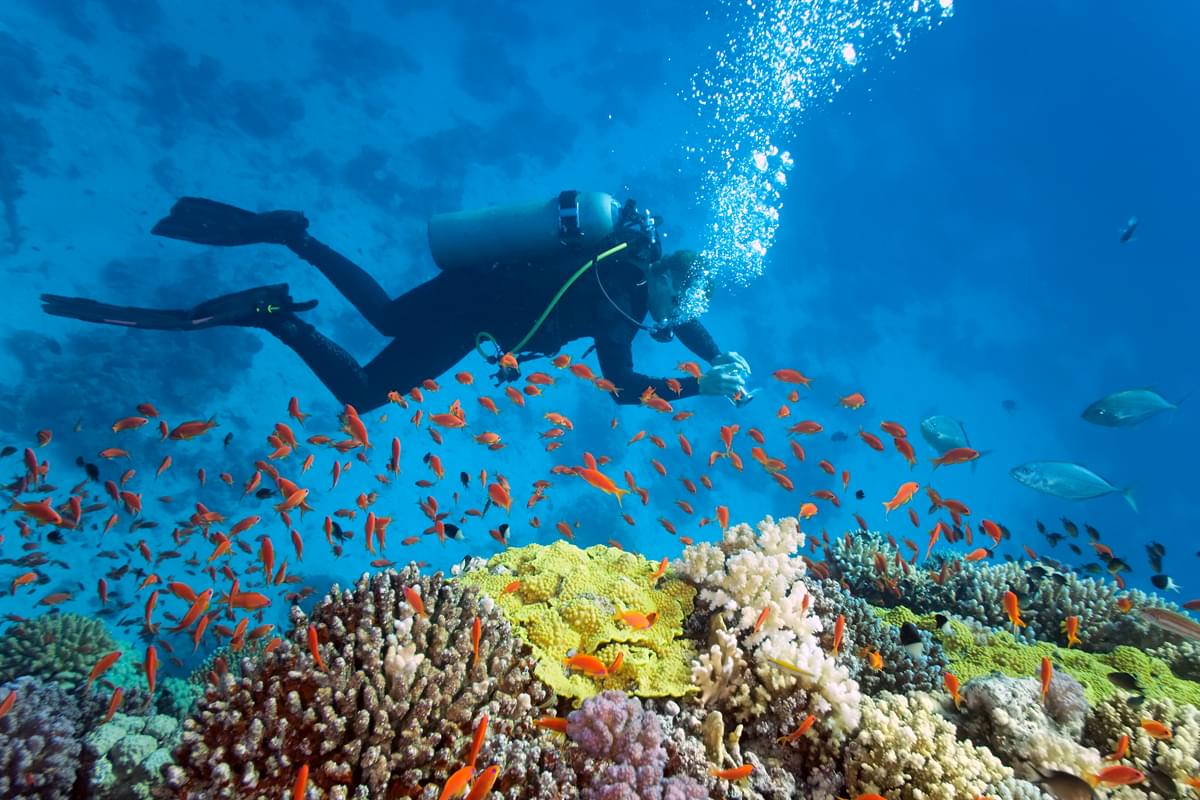
Huvadhoo Atoll diving is where the Maldives’ legendary underwater world turns wild—with shark-filled channels, powerful currents, dramatic drop-offs and exceptional pelagic encounters. From Kooddoo Kandu and Maarehaa Kandu to Nilandhoo Kandu and Meradhoo Kandu, the best dive sites in Huvadhoo Atoll offer some of the southern Maldives’ most exhilarating scuba diving experiences.
By Shaffaaf Naseer | The Island Insights
Far south of Malé, this enormous atoll—also known as Suvadiva Atoll, Huvadhu Atoll or Gaafu Atoll—offers a very different style of diving from the more heavily visited reefs of central Maldives.
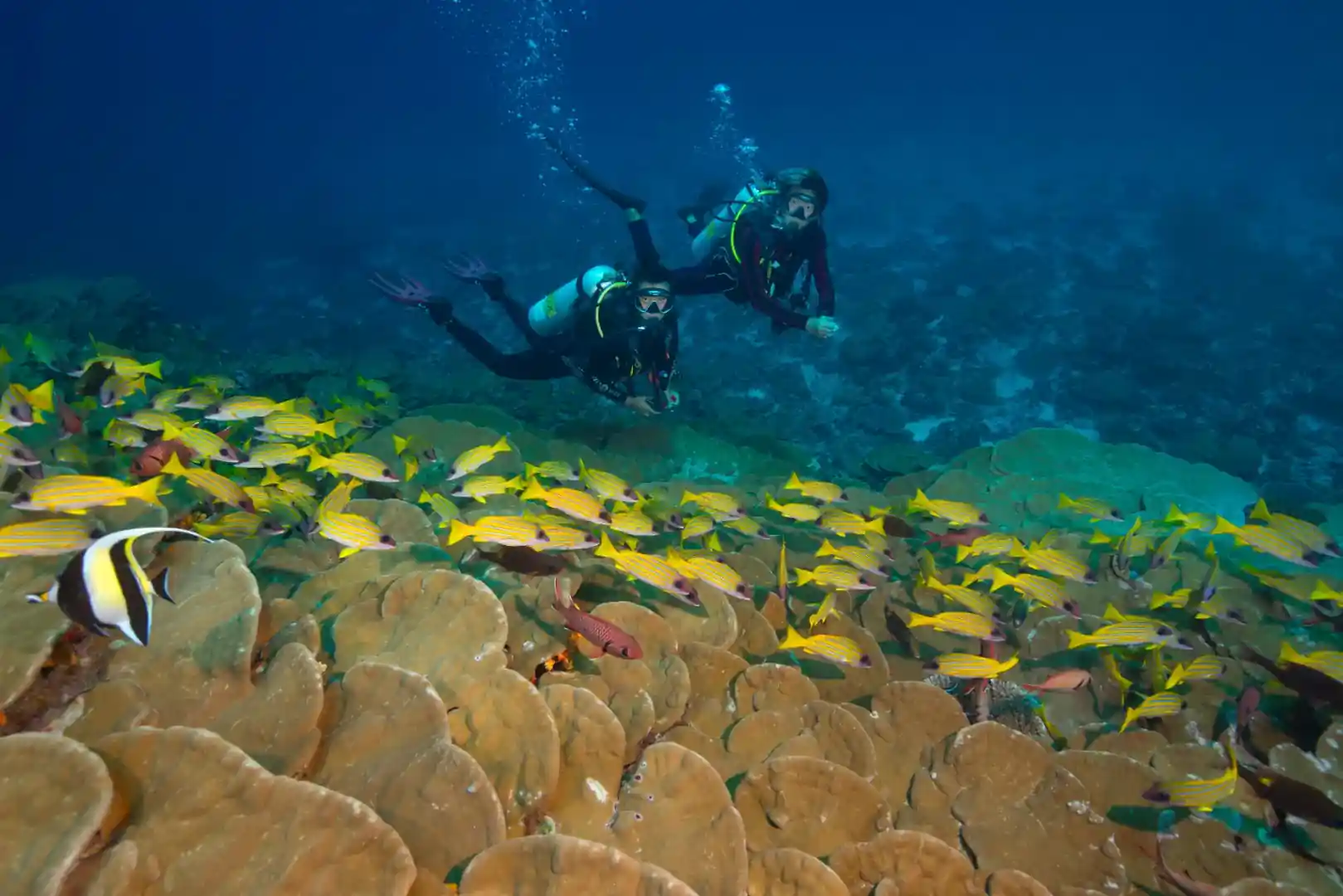
Its underwater landscape is defined by powerful channels, deep outer reefs, submerged pinnacles, dramatic drop-offs and currents that transport nutrients and attract large marine animals.
For experienced divers, this is the attraction.
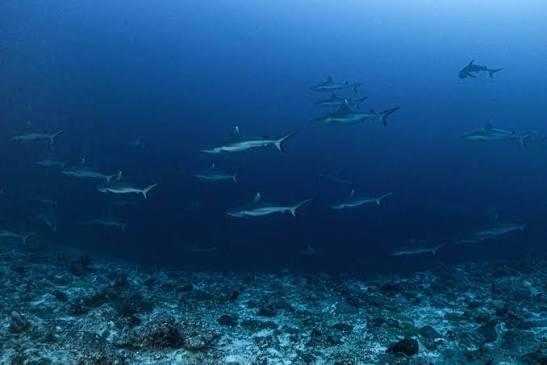
Huvadhoo is particularly renowned for grey reef sharks, whitetip reef sharks, silvertips, eagle rays, tuna, barracuda, trevally, turtles and other pelagic species. But its greatest asset may be the geography itself. The atoll’s numerous kandus, or channels, create natural underwater corridors between the lagoon and open ocean.
When the tide is right, these channels can become spectacular wildlife theatres.
Huvadhoo Atoll Diving: Quick Facts
Location: Southern Maldives
Also known as: Huvadhu, Suvadiva and Gaafu Atoll
Atoll structure: One of the Maldives’ largest and deepest natural atolls
Main diving: Channel dives, thilas, outer reefs, walls and drift dives
Signature wildlife: Grey reef sharks, whitetip sharks, silvertips, eagle rays, tuna, barracuda, trevally and turtles
Typical dive depths: Approximately 5–30 metres on many popular sites, with some dives going considerably deeper
Visibility: Often around 15–30 metres, with better conditions possible
Water temperature: Approximately 26–30°C
Best overall season: December to April
Pelagic conditions: May to November can bring stronger currents and nutrient-rich water
Best for: Experienced divers and current-diving enthusiasts
Access: Domestic flight from Malé to Kooddoo or Kaadedhdhoo or Faresmathoda, followed by boat transfer
Diving style: Current-sensitive, tide-dependent and often dynamic
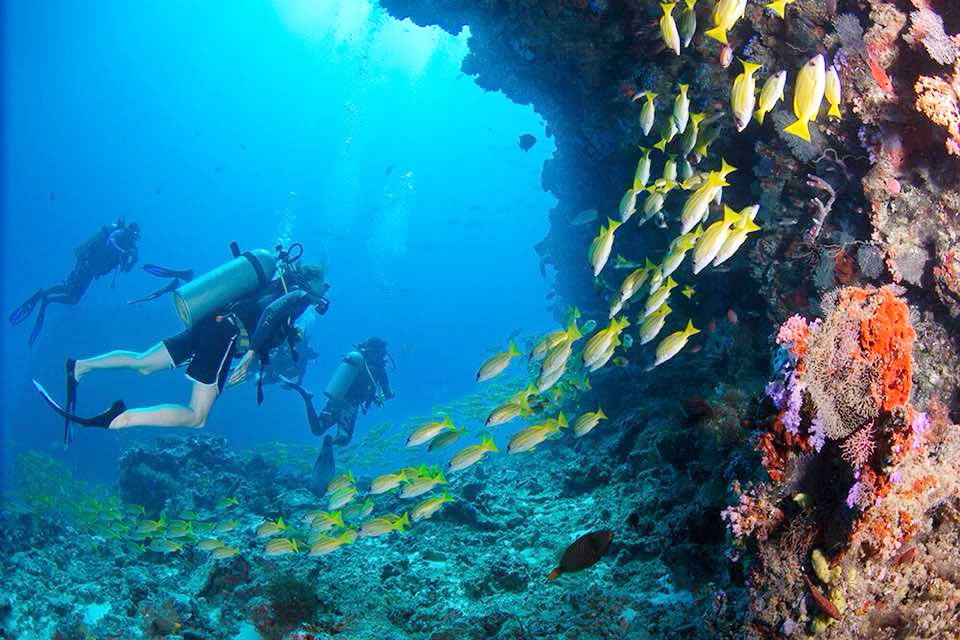
Why Huvadhoo Atoll Is One of the Maldives’ Great Diving Destinations
Huvadhoo’s appeal is not simply the number of dive sites.
It is the combination of scale, depth, current and remoteness.
The atoll is divided administratively into Gaafu Alifu and Gaafu Dhaalu, and its huge reef system contains a remarkable variety of underwater environments. Divers can move from shallow coral gardens to thilas, then into channels where the reef suddenly drops away into deep blue water.
The channels are especially important.
As tidal water moves through them, marine life gathers around the reef edges. Sharks can patrol the current, eagle rays glide through the blue, while schools of jacks, fusiliers and other reef fish create constantly changing underwater scenes.
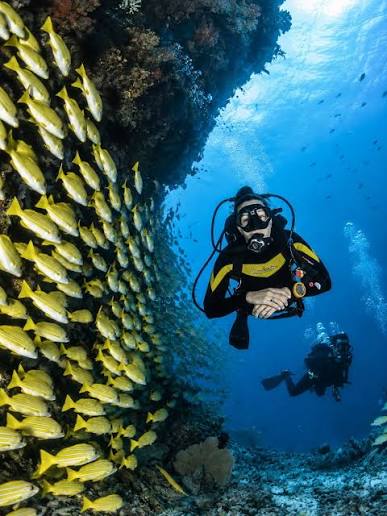
That is why Huvadhoo is often described by experienced divers as a destination for big-animal, current-driven diving.
Huvadhoo Atoll: One of the Maldives’ Most Extraordinary Atolls
Huvadhoo Atoll, also known as Suvadiva or Gaafu Atoll, is extraordinary not only for its world-class diving but also for its immense size, depth and cultural identity. Stretching across the southern Maldives, Huvadhoo is recognised as having one of the largest concentrations of islands of any atoll in the world, while its enormous lagoon is among the deepest in the Maldives.
Huvadhoo Atoll: The Guinness World Record Atoll
Huvadhoo Atoll, also known as Suvadiva, Suvadive or Gaafu Atoll, is remarkable even before a diver enters the water. The enormous southern Maldivian atoll holds the Guinness World Record for the most islands within an atoll, with 255 islands scattered across its vast reef system.
By total geographical area, Huvadhoo is the second-largest natural atoll in the Maldives, after Bodu Thiladhunmathi (Thiladhunmathi). It covers roughly 3,152 square kilometres, although only about 38.5 square kilometres is dry land.
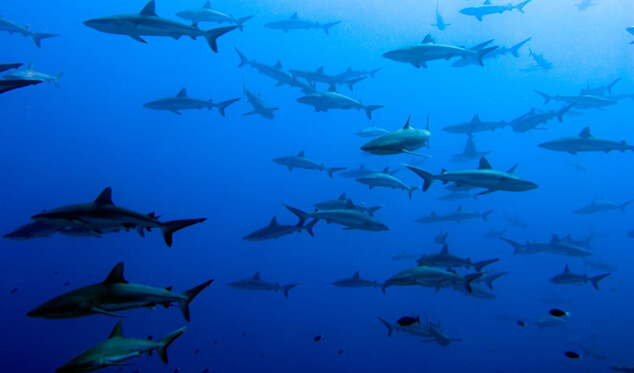
This extraordinary combination of size, island density and deep oceanic channels helps explain why Huvadhoo has developed such a distinctive underwater environment—and why it has become one of the Maldives’ most important destinations for scuba diving.
Key Facts About Huvadhoo Atoll
- Guinness World Record: Huvadhu Atoll officially holds the Guinness World Record for the most islands within an atoll, with around 255 islands.
- Second-largest Maldivian atoll: By total area, Huvadhoo ranks second among the Maldives’ natural atolls, behind Bodu Thiladhunmathi.
- Enormous geographical footprint: The atoll covers approximately 3,152 km², with only around 38.5 km² of dry land.
- Over 255 islands: The islands include inhabited communities, uninhabited islands and numerous smaller islands and sandbanks within the atoll’s extensive reef system.
- Two administrative regions: The natural Huvadhoo Atoll is administratively divided into Gaafu Alifu (Northern Huvadhoo) and Gaafu Dhaalu (Southern Huvadhoo).
- One of the Maldives’ deepest lagoons: The lagoon is exceptionally deep, with historical and geographic references recording depths approaching 90–91 metres in places.
- A huge natural channel: Huvadhoo is separated from the central Maldivian atolls by the broad Huvadhoo Kandu, also known as the Suvadiva Channel.
- Distinctive local identity: Its geographical isolation has helped preserve a strong cultural identity, including the distinctive Huvadhoo Bas dialect.
Why Huvadhoo’s Geography Matters for Divers
The Guinness record is more than an interesting geographical statistic. Huvadhoo’s enormous reef system, deep lagoon and numerous channels create the physical conditions that make its diving so distinctive.
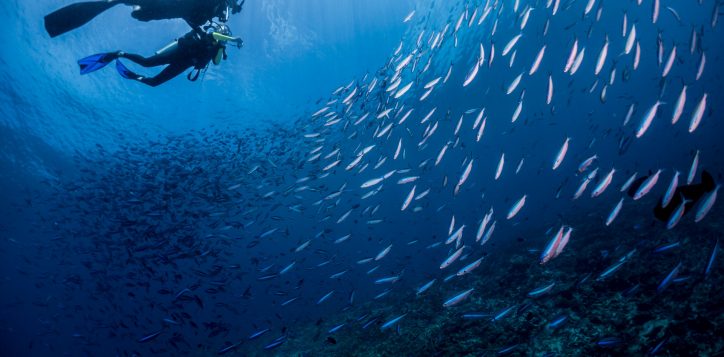
Ocean water moves through the atoll’s kandus, producing powerful tidal currents along reef edges and channel entrances. These currents transport nutrients and attract schools of fish and larger pelagic predators, creating ideal conditions for encounters with grey reef sharks, whitetip reef sharks, silvertips, eagle rays, tuna, barracuda and trevally.
For divers, the result is a destination where geography and marine life are inseparable.
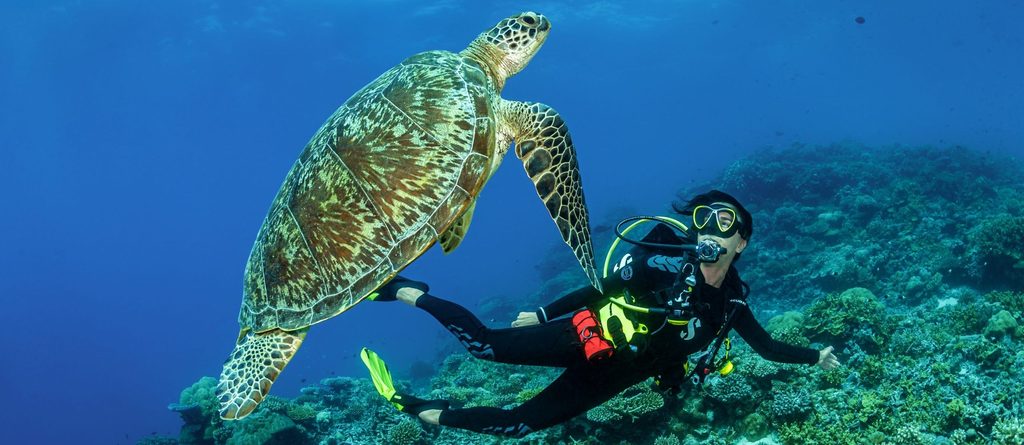
The same immense reef structure that gives Huvadhoo its Guinness World Record for island count also helps create the dramatic channels, drop-offs and current-swept dive sites that have made the southern atoll increasingly famous among experienced divers.
In other words, Huvadhoo’s record-breaking geography is part of the reason its underwater world is so extraordinary.
The Best Dive Sites in Huvadhoo Atoll
1. Kooddoo Kandu — The Shark Dive Near the Airport
For many visitors, Kooddoo Kandu is one of the most accessible introductions to Huvadhoo’s famous channel diving.
Located close to Kooddoo, the site combines a steep channel environment with current-driven marine activity. Grey reef sharks are among the principal attractions, while whitetips, eagle rays, turtles, reef fishes and schooling fish may also appear.
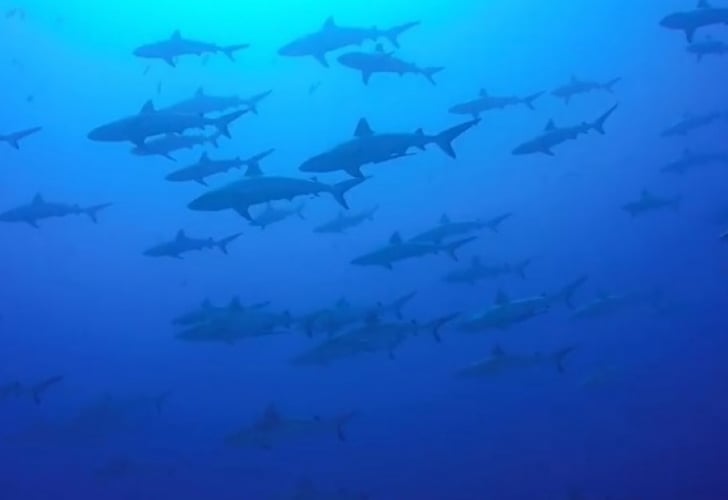
Its location is particularly convenient for divers staying around Kooddoo because the site can be incorporated into local day-diving programmes as well as liveaboard itineraries.
2. Maarehaa Kandu — Grey Reefs, Silvertips and Eagle Rays
Maarehaa Kandu, also spelled Maareehaa Kandu, is one of the classic current dives of Huvadhoo.
The site is particularly interesting because grey reef sharks and silvertips can occur around the channel mouth, alongside eagle rays and schools of jacks.
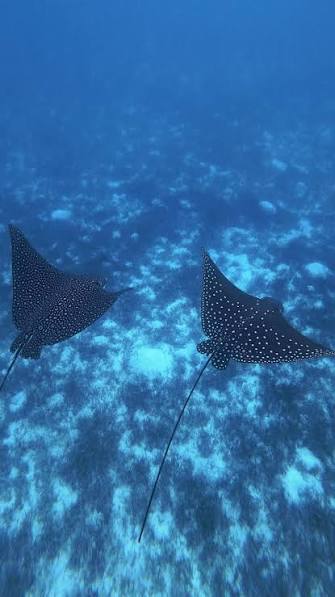
Divers descend towards the channel edge and work with the current rather than against it. Ledges and reef structures provide opportunities to hold position and watch the blue-water action.
For underwater photographers, Maarehaa is the kind of site where the composition can change from one second to the next: shark in the blue, eagle ray crossing the current, schooling fish behind the reef.
Current dive-site research describes Maarehaa as an advanced channel drift with grey reef sharks, silvertips, eagle rays and jacks.
3. Nilandhoo Kandu — Classic Huvadhoo Channel Diving
If there is one word that defines Nilandhoo Kandu, it is current.
This is a channel dive for divers who enjoy being swept through the reef system while watching the blue water for pelagic action.
Grey reef sharks, eagle rays, tuna, barracuda and other large species can make appearances depending on conditions.
The dive can involve deeper sections and stronger water movement, so experience with current diving is important.
Nilandhoo illustrates what makes Huvadhoo different from a conventional reef-diving destination. The objective is not necessarily to swim slowly around a coral garden. Instead, the diver reads the current, follows the guide, maintains position where appropriate and allows the ocean to reveal what is moving through the channel.
4. Kuda Hafsa Thila — A Smaller Site With Plenty to Discover
Kuda Hafsa Thila offers a change of pace.
Rather than relying entirely on a major channel, this submerged pinnacle gives divers opportunities to explore walls, overhangs and concentrated reef life.
Sharks and turtles can be encountered, but the site also rewards divers who enjoy looking for smaller animals. Leaf fish, ribbon eels and other reef inhabitants can turn a dive into a macro-searching expedition.
This is one reason Huvadhoo should not be reduced to a “shark destination.”
The atoll can deliver large pelagics one moment and fascinating small creatures the next.
5. Vadhoo Thila — Coral, Sharks and Schooling Fish
Vadhoo Thila is another site that combines dramatic underwater topography with marine biodiversity.
The pinnacle features hard and soft corals, reef fish and deeper walls where larger animals can pass.
The broader Huvadhoo diving region is noted for coral reefs, thilas, caves, channels and a variety of marine life. Traditional dive guides have particularly highlighted Vadhoo and Maarehaa for shark encounters.
For divers who want a more balanced experience—rather than spending every dive in a high-current channel—Vadhoo Thila can be an important part of an itinerary.
6. Meradhoo Kandu — Big Pelagics in the Blue
Meradhoo Kandu is one of the most visually impressive channel dives in the atoll.
The reef begins relatively shallow before descending towards approximately 30 metres. At depth, lush soft corals can cover sections of the outer reef while the blue water becomes the hunting ground for pelagic species.
Jackfish, tuna and whitetip reef sharks are among the animals associated with the site, while eagle rays, snappers and Napoleon wrasse can add variety.
The classic Meradhoo experience is therefore a combination of coral scenery close to the reef and large animals in open water.
Nitrox can be particularly useful on deeper repetitive dives, subject of course to certification, operator procedures and gas planning.
7. Kaadedhdhoo Kandu — Southern Huvadhoo’s Current Adventure
For divers exploring southern Huvadhoo, Kaadedhdhoo Kandu provides another opportunity to experience the atoll’s channel environment.
Deep reef edges and oceanic currents create conditions capable of attracting pelagic species.
As with every kandu in Huvadhoo, however, the quality of the dive depends heavily on tide and current. A site that produces spectacular shark activity on one tide can feel considerably quieter on another.
What Divers Say About Diving Huvadhoo Atoll
The online diver community provides strong support for Huvadhoo’s reputation—but also an important warning about its conditions.
LiveAboard currently lists 29 verified Huvadhoo diving reviews with an overall score of 9.2/10. Recent reviewers repeatedly mention channel dives, sharks, turtles, strong currents and the feeling that Huvadhoo offers a wilder form of Maldivian diving.
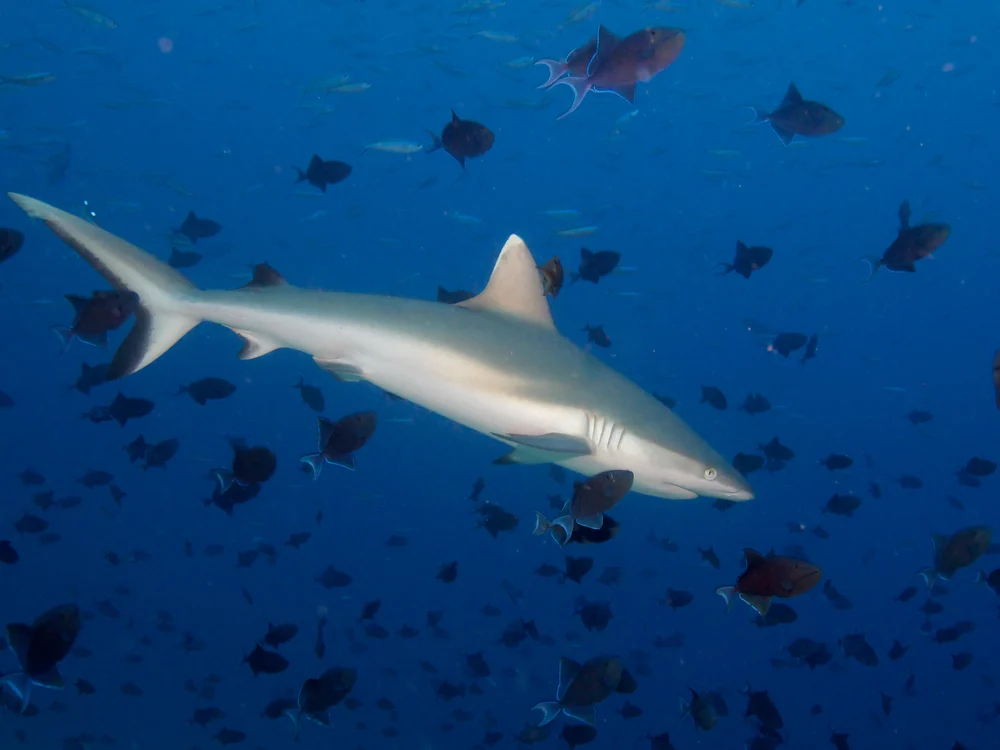
One 2026 reviewer described Huvadhoo as a trip highlight, specifically praising grey reef sharks and silvertips in the channels and the dynamic drift dives. Another recent reviewer simply summed up the experience as “channel dives, lots of sharks.”
A separate verified review praised the currents and drift diving but made the important observation that Huvadhoo is an advanced diving itinerary.
There are also less positive experiences. One verified diver reported poor visibility and concerns about organisation on a deep hammerhead dive. This is valuable information because it demonstrates that Huvadhoo’s reputation does not mean every dive will be perfect.
The overall lesson is simple:
Choose the operator as carefully as you choose the itinerary.
What TripAdvisor Guests Say About Huvadhoo Diving
TripAdvisor provides another useful perspective.
Euro-Divers Havodda currently has a 4.9/5 rating from 81 reviews, with travellers repeatedly praising the dive team and the marine environment.
One TripAdvisor guest described diving at Havodda as “unbelievably great” and highlighted sightings including leaf fish, barracuda, batfish, boxfish, leopard shark, turtles and spinner dolphins.
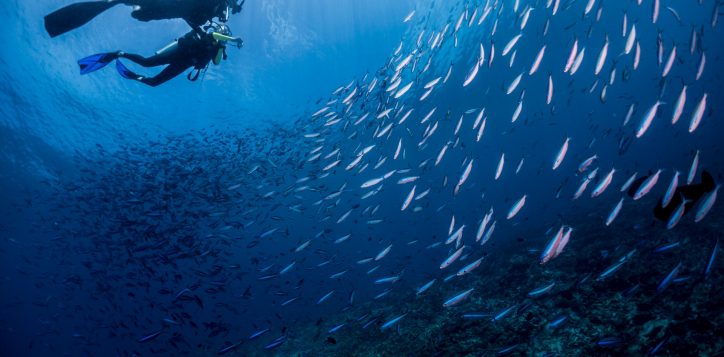
Another reviewer specifically described the dive sites as exceptional, mentioning healthy corals, sharks, rays, tuna and turtles.
These reviews reinforce an important point: Huvadhoo is not solely about shark encounters. The attraction is the broader biodiversity of the southern atoll.
When Is the Best Time to Dive Huvadhoo Atoll?
The best time depends on what kind of diving you want.
December to April: Clearer, Calmer Conditions
The northeast monsoon generally brings more settled seas and good visibility. This is an excellent period for divers who want classic channel diving with clearer water and more predictable surface conditions.
May to November: Currents and Pelagic Potential
The southwest monsoon can bring stronger currents and more variable weather. Nutrient-rich water can also create productive feeding conditions.
For experienced divers who prioritise sharks and pelagics over perfect visibility every day, this period can be extremely interesting.
In Huvadhoo, the best dive is often determined by the tide rather than the month alone.
How to Get to Huvadhoo Atoll
Getting to Huvadhoo Atoll is becoming easier with expanded air connectivity. International visitors normally arrive at Velana International Airport (MLE) in Malé before taking a domestic flight south.
- Kooddoo Airport (GKK): A key gateway to northern Huvadhoo (Gaafu Alifu) and convenient for diving around Kooddoo, Nilandhoo and nearby channels.
- Kaadedhdhoo Airport (KDM): Serves southern Huvadhoo (Gaafu Dhaalu) and provides access to resorts, local islands and dive sites across the region.
- Faresmaathodaa Airport (FMT): The newer gateway to southern Huvadhoo, strengthening air connectivity to Gaafu Dhaalu and making the remote southern atoll increasingly accessible.
From the airports, travellers generally continue by speedboat to their resort island or local island, where their accommodation, dive centre or other tourism services are based.
Is Huvadhoo Atoll Suitable for Beginners?
Some sites are suitable for less-experienced divers, but Huvadhoo’s signature dives are generally better suited to divers with solid current-diving experience.
Divers may encounter:
- Strong tidal currents
- Deep channel edges
- Drift dives
- Reef-hook procedures
- Blue-water ascents
- Rapid changes in current direction
- Deep repetitive diving
A proper briefing is essential, and divers should be honest about their certification, experience and comfort level.
For experienced divers, these conditions are not a disadvantage. They are the reason to come.
The Island Insights Verdict
Huvadhoo Atoll represents a different side of the Maldives.
It is less about postcard-perfect shallow reefs and more about movement, depth, currents and big marine life.
Kooddoo Kandu brings shark encounters close to one of the atoll’s main gateways. Maarehaa and Nilandhoo demonstrate the power of the kandus. Kuda Hafsa and Vadhoo provide thila and reef-diving variety. Meradhoo opens into dramatic blue-water encounters, while Kaadedhdhoo offers another window into the southern channel system.
And beneath all of them is the same force:
the ocean moving through Huvadhoo.
That is ultimately what makes the atoll special.
You do not simply visit Huvadhoo to see sharks.
You go there to experience an ecosystem shaped by currents—and, if the tide is right, to watch some of the Maldives’ most impressive marine life move through it.
Frequently Asked Questions About Huvadhoo Atoll Diving
What are the best dive sites in Huvadhoo Atoll?
The standout sites include Kooddoo Kandu, Maarehaa Kandu, Nilandhoo Kandu, Kuda Hafsa Thila, Vadhoo Thila, Meradhoo Kandu and Kaadedhdhoo Kandu.
Is Huvadhoo Atoll good for shark diving?
Yes. Grey reef sharks and whitetip reef sharks are among the commonly reported species, while silvertips and other pelagic sharks can occur at particular sites and under suitable conditions.
Is Huvadhoo better than the central Maldives for diving?
It depends entirely on your experience level and goals. Huvadhoo is a dream for advanced and experienced divers looking for remote reefs, thrilling channel dives, sharks, and large pelagics.
While it does feature some lovely house reefs and accessible sites, it is generally less focused on casual, easy-access reef diving than the central atolls.
Are Huvadhoo dive sites suitable for beginners?
Some sites can be suitable, but the atoll’s famous channel dives are often better for intermediate and advanced divers comfortable with currents.
What is the best time to dive Huvadhoo Atoll?
December to April is generally preferred for calmer conditions and good visibility.
May to November can bring stronger currents and productive pelagic conditions. Ideal for intermediate and advanced divers.
What sharks can you see in Huvadhoo Atoll?
Grey reef sharks and whitetip reef sharks are among the commonly reported species. Silvertips, blacktips and spinner sharks may also be encountered depending on the site and conditions.
How deep are Huvadhoo’s dive sites?
Many popular dives fall within approximately 5–30 metres, although individual sites and channel profiles can extend considerably deeper.
How do you reach Huvadhoo Atoll?
Getting there usually involves a short domestic flight from Malé to Kooddoo, Kaadedhdhoo, or Faresmaathoda, wrapped up with a scenic speedboat or local dhoni ride. If you prefer to stay on the water the whole time, booking a diving liveaboard is also a fantastic option!
Is Huvadhoo Atoll suitable for a diving holiday focused on pelagics?
Absolutely. Its channel system and strong tidal currents make it particularly attractive for divers interested in sharks, eagle rays, tuna, barracuda and other large marine animals.
About the Author
Shaffaaf Naseer: An Insider’s Insights into the Maldives — Islands, Lifestyle, Travel & Experiences
Shaffaaf Naseer tells the story of the Maldives like no other person can. Born and raised in the Maldives, he is a travel and tourism expert, consultant, researcher, environmental advocate and co-founder of The Island Insights.

His lifelong connection with the islands began through childhood journeys by traditional dhoni and his father’s boat. He travelled extensively across the Maldives by sea and air, combining first-hand experience, professional tourism knowledge and deep research to uncover both iconic destinations and off-the-beaten-path islands, sharing authentic insights into Maldivian travel, lifestyle, culture, nature and experiences.
Contact the Author
For further information, expert insights, suggestions, corrections, collaborations or destination-related enquiries, please contact Shaffaaf Naseer:
Email: [email protected]
WhatsApp: +960 739 6991
Leave a Reply