

Author: Shaffaaf Naseer, Environmentalist
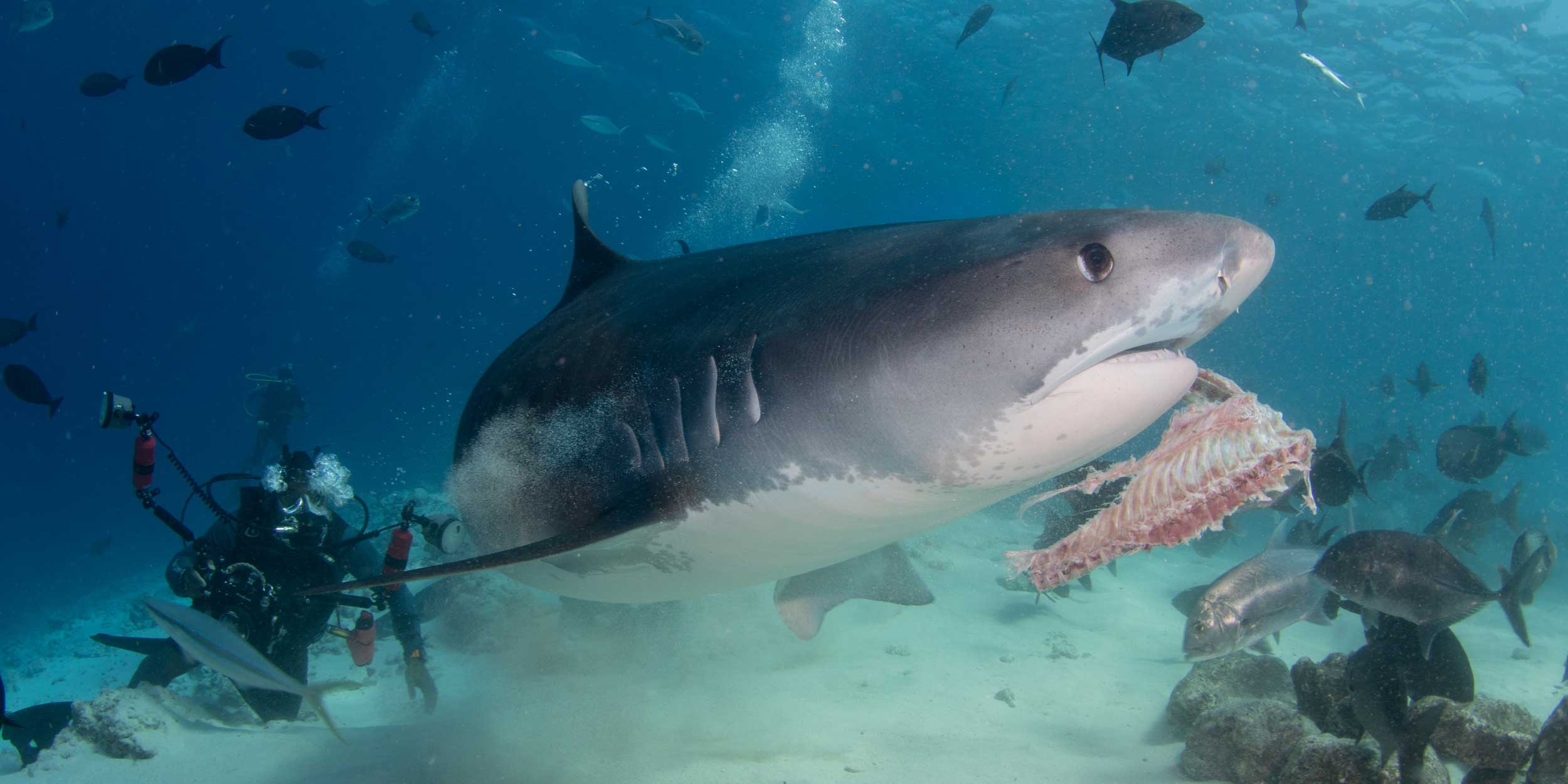
For me, the relationship between Fuvahmulah and its tiger sharks is not something I discovered through tourism. It is something I have known since childhood.
I was born and live in Fuvahmulah, and the ocean surrounding our island has always been part of everyday life. It is not simply a place where people go diving or where visitors come to see sharks. For generations, the sea has been a source of food, livelihood, stories, knowledge and identity for the people of Fuvahmulah.
Our ancestors and fishermen from previous generations had a deep respect for tiger sharks and the many other creatures living in the ocean around our home island.
That relationship between people and the sea is part of Fuvahmulah’s heritage.
A Fishing Heritage Built on Respect
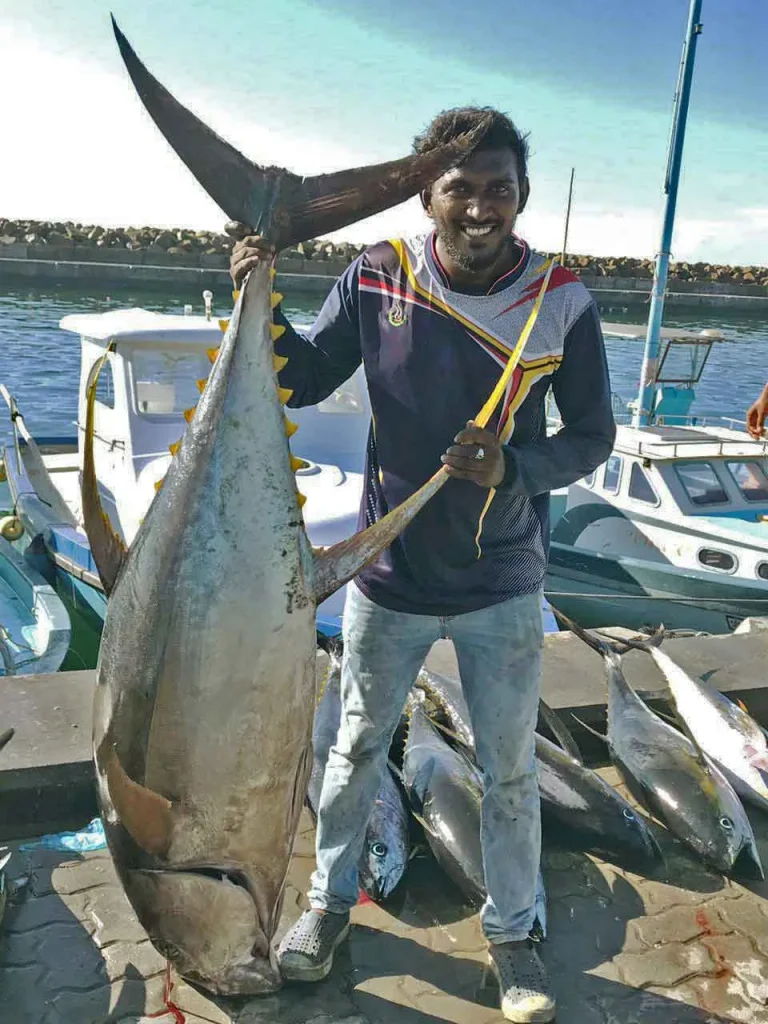
Growing up on Fuvahmulah, I heard real stories about tiger sharks from local fishermen—stories passed from one generation to another by people who spent much of their lives at sea.
Their knowledge was not based on photographs, documentaries or tourism brochures.It came from experience. They knew the currents. They knew the fishing grounds. They knew the reefs and drop-offs. They understood the behaviour of the animals they encountered and learned, through years at sea, that the ocean is shared with many other living creatures.
Tiger sharks were among those creatures.For generations, fishermen around Fuvahmulah encountered these powerful animals as part of their normal relationship with the sea. The shark was not simply an attraction. It was another living creature inhabiting the waters surrounding the island.
That traditional understanding is something I believe we should preserve.
The Ocean Is Part of Fuvahmulah’s Identity
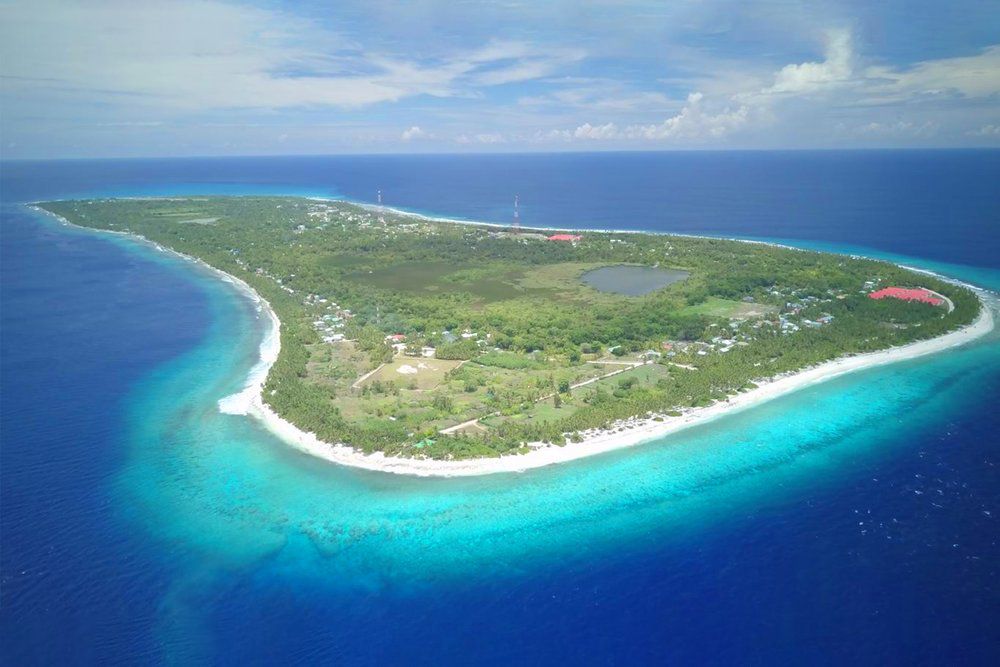
Fuvahmulah is unusual among the islands of the Maldives.
It is a solitary oceanic island surrounded directly by the open Indian Ocean. Its relationship with the sea is therefore particularly strong. The deep waters, currents, reefs and marine ecosystems around the island have shaped the lives and culture of its people.
The creatures living around Fuvahmulah are consequently more than components of an ecosystem. They are part of our island’s identity. They are part of our natural heritage. They are part of the ecological heritage that makes Fuvahmulah different from other places.
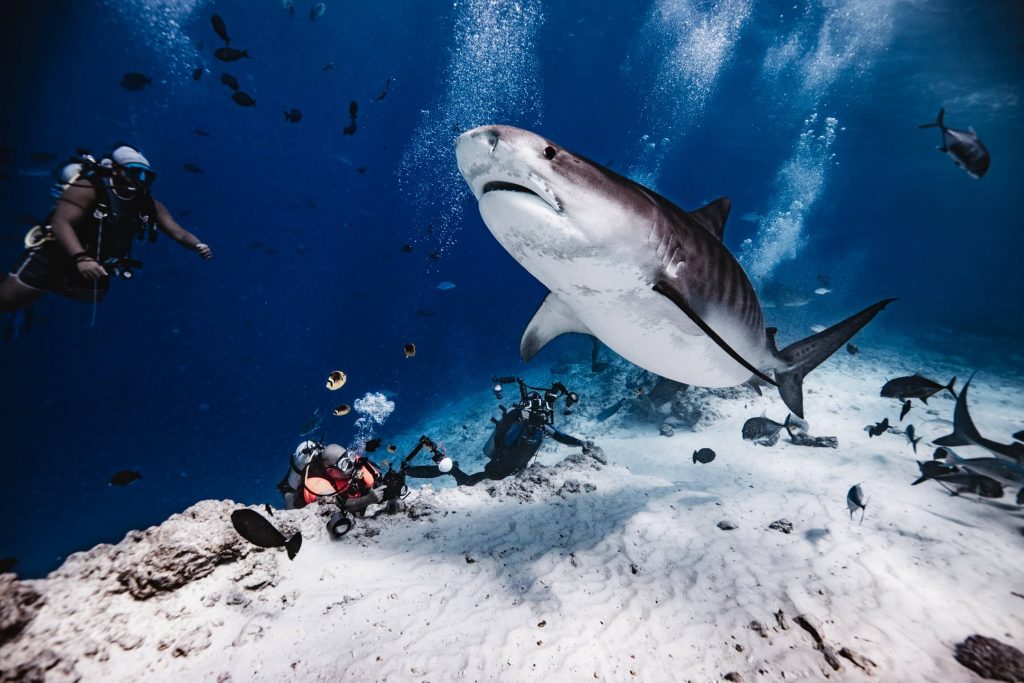
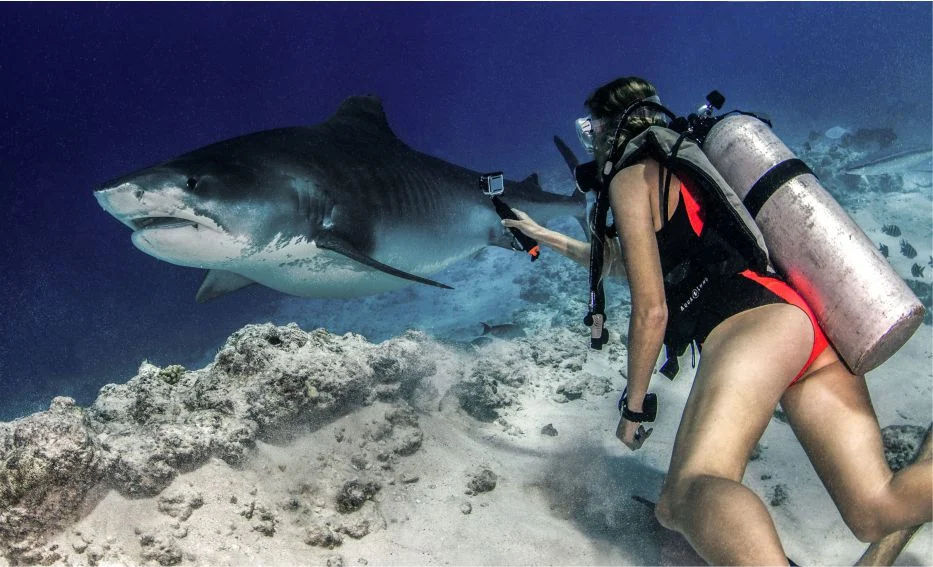
Tiger sharks are one of the most visible examples, particularly because Fuvahmulah has become internationally known for encounters with resident tiger sharks. But they are only one part of a much larger marine environment.
The ocean around our island belongs to an extraordinary community of life. And that community deserves respect.
A Personal Encounter With Fuvahmulah’s Tiger Sharks
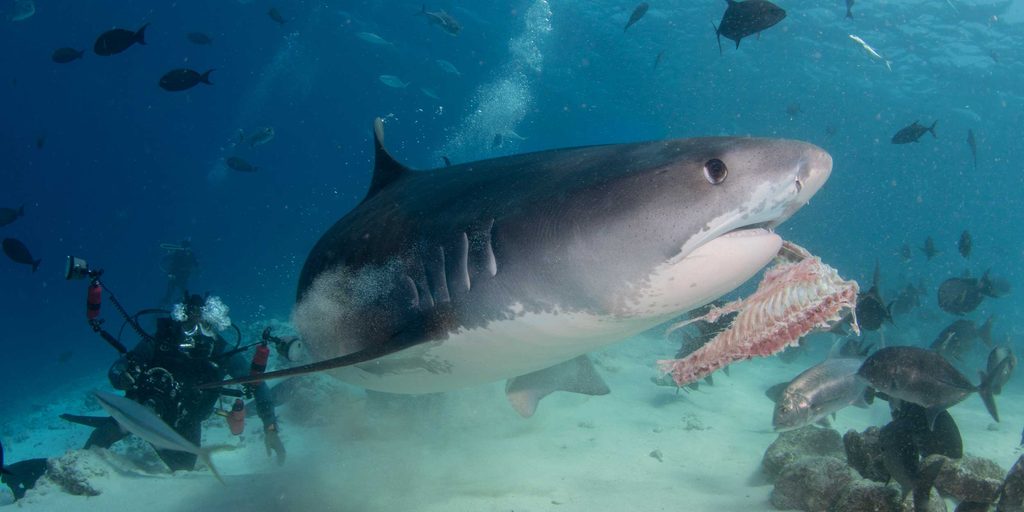
Even today, it is common to see tiger sharks swimming near boats around Fuvahmulah. I remember one particularly hot afternoon when I was on a boat near the harbour area. Wanting to cool down, I jumped into the sea near the reef. Not long afterwards, two enormous tiger sharks appeared in the area. From my estimation, they were around 12 to 14 feet long. The captain saw them and called out to me. He told me that the sharks were near the boat.
I immediately began swimming back towards the boat. But as I was making my way back, the captain told me to stop. The sharks were close. I stayed where I was and waited.
There was no need to panic, but there was every reason to respect the situation.
Eventually, the two tiger sharks moved away towards the deep blue. Only after the captain was satisfied that the sharks had moved away did he signal me.
I then swam back and climbed aboard the boat. It was a simple experience, but it captures something important about living alongside these animals.
Fuvahmulah’s tiger sharks should not be feared unnecessarily, but neither should they ever be treated casually. They are wild and powerful predators.
The fact that people encounter them regularly does not mean that anyone should approach, touch, chase or attempt to interact with them without proper guidance.
Visitors who come to Fuvahmulah to experience tiger sharks should listen carefully to highly experienced professional local guides. These guides understand the island’s waters, currents, shark behaviour and local conditions. Respect is the foundation of a responsible encounter.
Knowledge Passed From Fishermen to Dive Guides
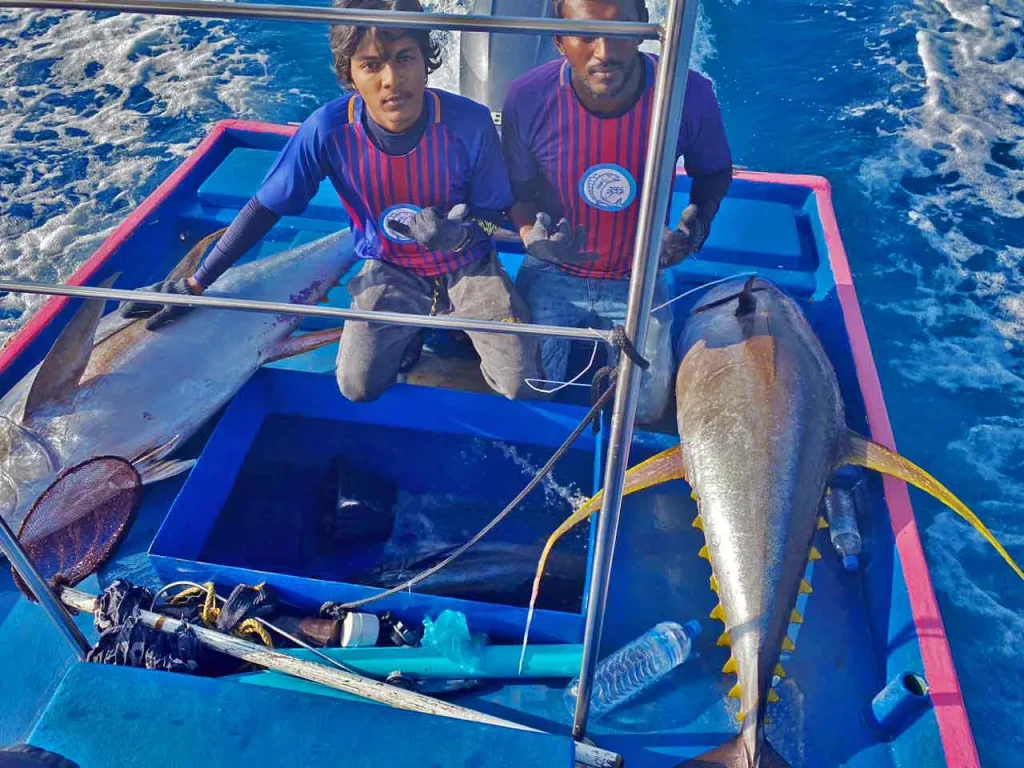
Since Fuvahmulah opened itself to tourism, many of my friends have become professional dive guides.
Through them, I have continued to hear firsthand accounts of encounters with tiger sharks. They share their experiences, observations, knowledge and information from research and repeated encounters in the waters around the island.
These conversations have given me a perspective that goes beyond what can be learned during a single dive. A visitor might spend a few hours in the water. A local fisherman may have spent decades working in these waters.
A professional dive guide may have spent thousands of hours observing the reefs, currents and marine animals.
A resident of Fuvahmulah grows up hearing these stories and seeing the relationship between the island and its ocean throughout everyday life. Together, these perspectives provide an important body of local knowledge.
Scientific research can help us understand the biology and ecology of tiger sharks. Local fishermen can contribute generations of observations. Dive guides can provide repeated contemporary encounters and observations. Residents can help preserve the cultural memory surrounding the sea. All of these forms of knowledge matter.
Respect Should Continue With the Next Generation
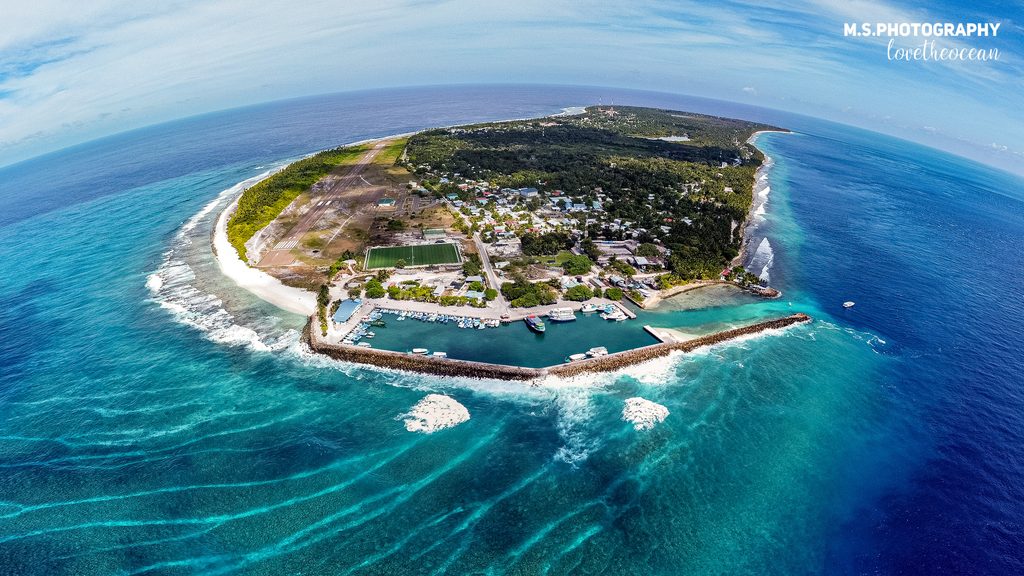
This is why I hope the current generation of fishermen will continue the tradition of respect established by generations before them.
I do not want to see creatures of the ocean around Fuvahmulah unnecessarily harmed.Our fishermen have always depended on the sea. That dependence should encourage stewardship, not destruction. The ocean is not an unlimited resource. Every shark, ray, turtle, fish, seabird and other marine creature is part of the ecological system surrounding our island.
Some species may have direct economic value. Others may attract tourists.Some may rarely be noticed by visitors at all. But their value should not depend solely on whether people can make money from them. They are living parts of the ecosystem that makes Fuvahmulah what it is. Our children and grandchildren should inherit an ocean that still contains the wildlife described in the stories told by their grandparents.
Fuvahmulah’s Tiger Sharks Are More Than a Tourism Attraction
The growth of shark tourism has brought international attention to Fuvahmulah. Visitors travel to the island specifically hoping to experience tiger sharks in their natural environment. That creates opportunities for local businesses, guides, boat operators, guesthouses and the wider community. But tourism should not become a reason to forget why these animals exist here in the first place.
The tiger sharks were here before tourism. They were here before dive centres. They were here before international visitors began travelling to Fuvahmulah specifically to see them. They belong to the natural history of the island.
Tourism should therefore work alongside conservation. The economic value of tiger shark tourism should strengthen the argument for protecting the animals rather than creating pressure to exploit them.
Fuvahmulah as a Biosphere Reserve
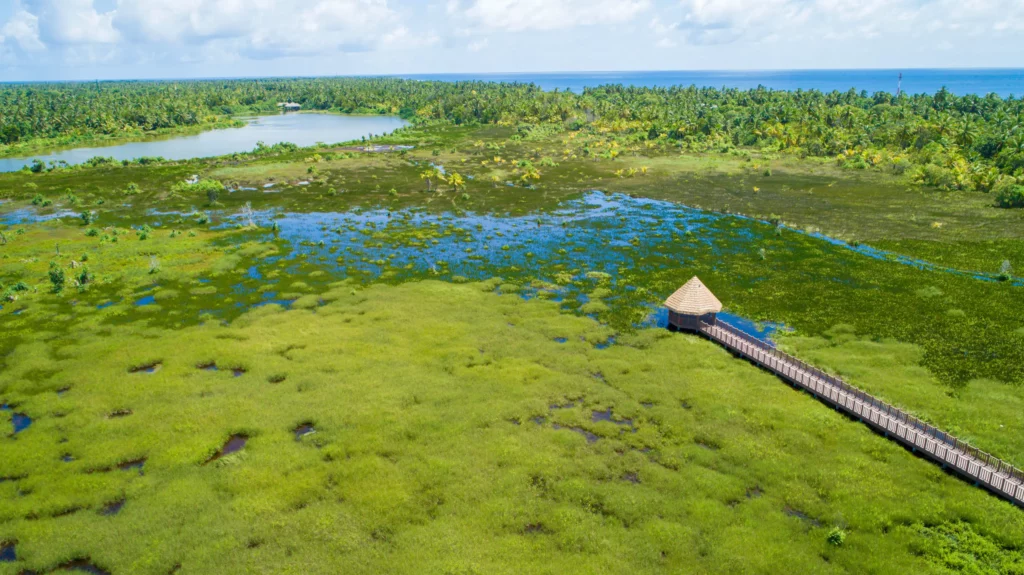
Fuvahmulah’s environmental importance extends beyond its tiger sharks. The island is recognised as a biosphere reserve, reflecting the importance of its natural ecosystems and the relationship between people and the environment.
That recognition should encourage all of us to think more seriously about how the island’s marine environment is managed. Being recognised as a biosphere reserve is not simply a title.
It should represent a responsibility. For me, that responsibility belongs to everyone: government authorities, the Fuvahmulah City Council, fishermen, tourism operators, dive centres, local residents, researchers and visitors. Everyone has a role in protecting the ocean surrounding the island.
A Call for Ocean Rangers in Fuvahmulah
I hope the Government, Fuvahmulah City Council and other relevant stakeholders will seriously consider establishing a dedicated ranger system to help protect Fuvahmulah’s oceanic environment.
Marine and environmental rangers could provide an important presence around the island.
Their role could include:
- Monitoring sensitive marine areas and habitats.
- Supporting enforcement of existing environmental regulations.
- Recording marine wildlife observations.
- Responding to reports of harmful activities.
- Helping educate fishermen, residents and visitors about responsible marine practices.
- Supporting conservation programmes and scientific researchers.
- Monitoring activities around important shark and marine-life areas.
- Assisting with public awareness and environmental education.
- Helping protect Fuvahmulah’s marine ecosystems for future generations.
Such a system would not need to be about policing fishermen. It could also be about supporting them. Our fishermen possess valuable knowledge of the sea, and conservation efforts should work with that knowledge rather than ignoring it.
A strong partnership between fishermen, rangers, scientists, tourism operators and the local community could create a more effective model of marine stewardship.
Protecting the Ocean Means Protecting Fuvahmulah
For me, conservation is ultimately about something very simple. It is about protecting the place we call home.
The tiger sharks are part of Fuvahmulah. The reefs are part of Fuvahmulah. The deep ocean surrounding the island is part of Fuvahmulah. The fish, rays, turtles, seabirds and countless smaller organisms are part of Fuvahmulah. They are all connected. When we protect the ocean, we are not protecting something separate from the island. We are protecting a part of the island itself.
A Responsibility Passed From One Generation to the Next
Our ancestors understood that the sea had to be respected.
Fishermen who came before us learned to live with the creatures they encountered.
That knowledge should not disappear as Fuvahmulah develops. Instead, it should become part of our future. I hope today’s fishermen will continue to respect tiger sharks and all other marine creatures around Fuvahmulah. I hope our children will grow up hearing stories not only about how many fish were caught, but also about the extraordinary animals that lived alongside our fishermen. And I hope future generations will still be able to look into the blue waters surrounding Fuvahmulah and see the same wild ocean that our ancestors knew.
For me, protecting Fuvahmulah’s tiger sharks is not simply about protecting a species. It is about protecting a relationship between an island and its ocean.
It is about respecting our fishermen’s heritage. It is about preserving our natural identity. And it is about making sure that the next generation inherits an ocean worth protecting.
Fuvahmulah’s tiger sharks lived here long before tourism discovered them.
About the Author and Advocate:
Background: Shaffaaf Naseer is a Fuvahmulah-born environmentalist and local green activist dedicated to protecting the island’s natural environment and ecological heritage.
Key Achievement: He led a successful campaign that secured an official ban on sand removal, safeguarding Thoondu Beach and the island’s fragile coastal ecosystem.
Core Mission: Through public awareness and community engagement, he continues to champion responsible stewardship of Fuvahmulah’s land, beaches, and surrounding ocean for future generations.
Contact Information:
Email: [email protected]WhatsApp: +9607396991
Leave a Reply